

Would you like us to organize a guided tour of Ragusa Ibla for you?
Contact me via WhatsApp:
Vincenzo +393201953795
or send me an email at info@acquaduci.it
We collaborate with the best tour guides in the provinces of Ragusa and Syracuse.
Guiding is conducted in English or Italian..
Distance from Acquaduci Pozzallo
Click on the Google Maps link to start navigation: https://maps.app.goo.gl/qG1bSm1hN6zgYwNy8
Where to Eat in Ragusa Ibla
Acquaduci does not collaborate with the restaurant listed below; we mention it only because we were there and had a good meal.
Risiu
What to see in Ragusa Ibla, a baroque city
Planning to wander the intricate streets of Ragusa Ibla? Acquaduci offers the perfectly situated Ragusa Ibla Holiday rental Sicily base, allowing you to explore this majestic UNESCO town while enjoying the true comfort of a seafront home.
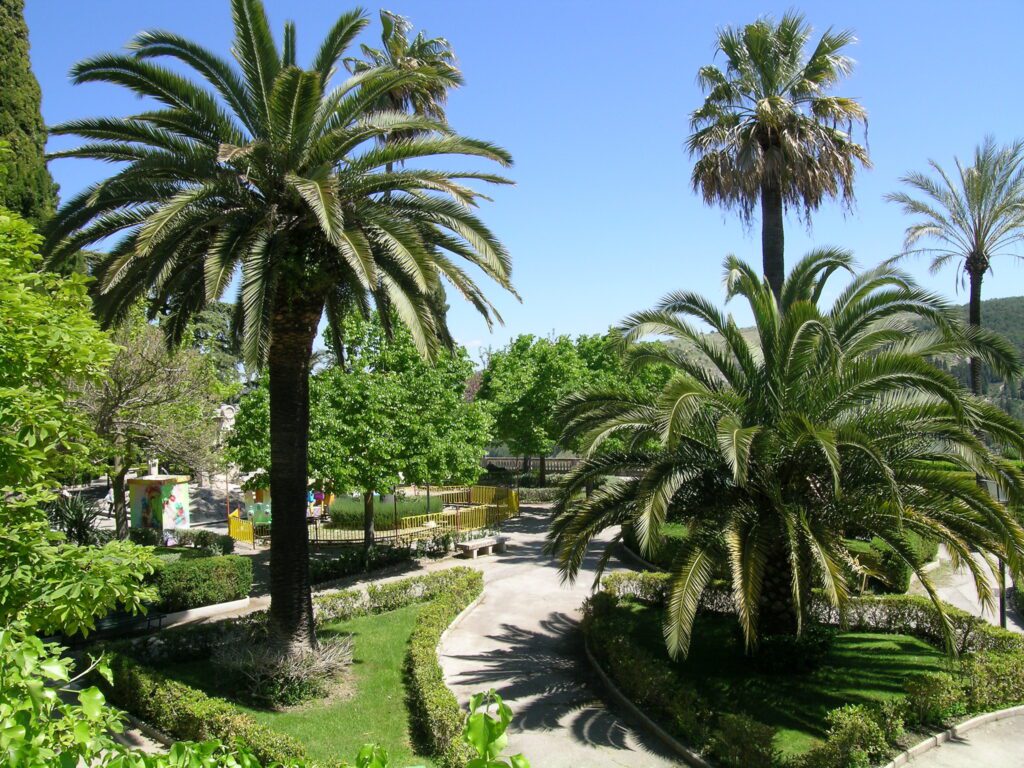
1 – Iblean Garden
Giardino Ibleo (or Villa Comunale), a large green park overlooking the Irminio Valley. The Capuchin friars commissioned the villa, but few sources tell the garden’s history. Documents, mostly oral histories collected among elderly citizens, record that its construction dates back to 1858 and is attributed to three wealthy notables and the citizens of Ragusa who offered their labor free of charge.
The garden is the oldest in Ragusa, extending over 15,000 square meters and featuring important Mediterranean plants, as well as some exotic specimens such as cedars of Lebanon and pepper trees.
A unique aspect of this park is its architectural component. Among the plants, in fact, it is possible to glimpse three churches: the church of San Vincenzo Ferrari, the church of San Giacomo, and the church of the Cappuccini.
The church of San Giacomo dates back to the 14th century. Originally built with three naves, only the central nave remains after the 1693 earthquake. The three-story façade was restored in the early 20th century. The central portal is flanked by Corinthian columns topped by a tympanum.
The church of San Vincenzo Ferreri features a bell tower decorated with majolica tiles. Today it is an auditorium with a charming interior decorated with altars with twisted columns. The church of Sant’Agata, or the Capuchin Church, is annexed to the monastery, which houses a magnificent cloister.

2 – Piazza Pola and the Church of San Giuseppe
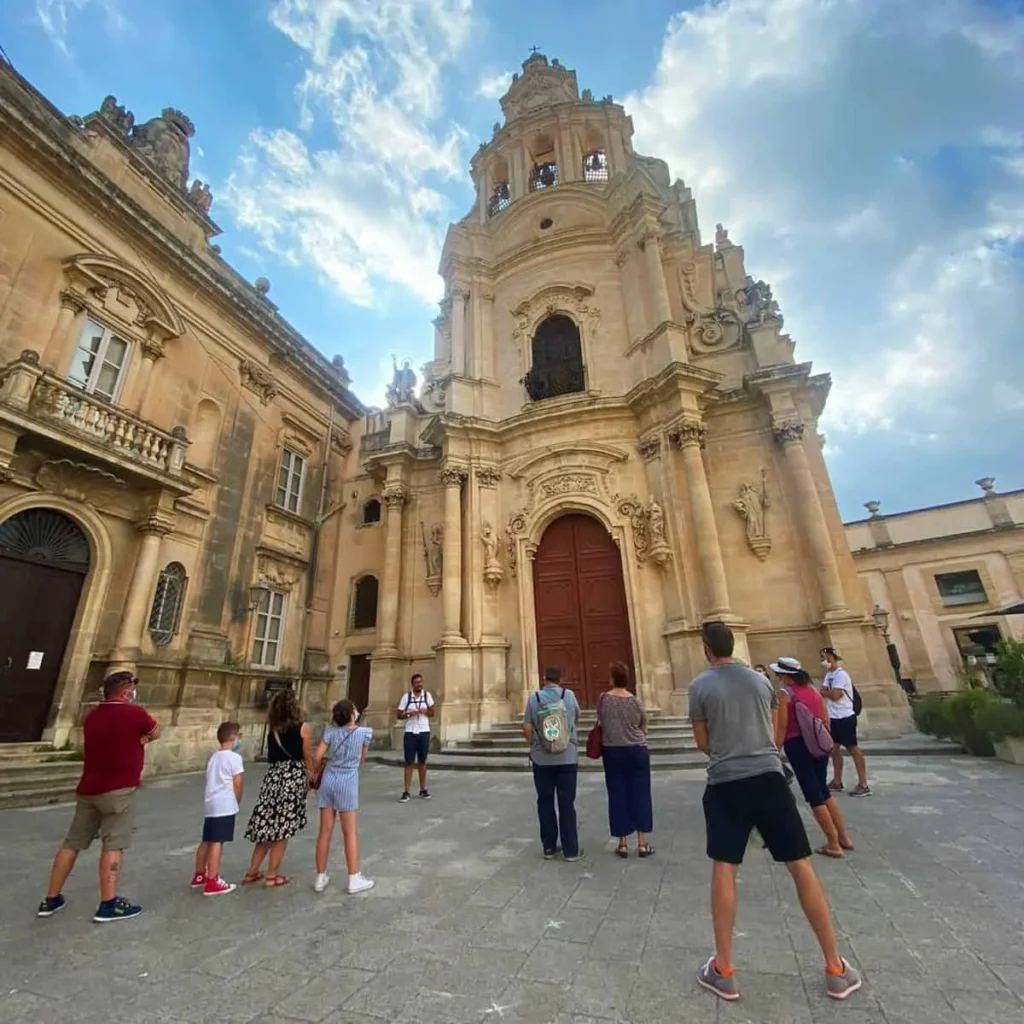
Continuing along Via XXV Aprile, past noble palaces and shops, you reach Piazza Pola. Overlooking the square are the Church of San Giuseppe and the town hall, which houses the Ibla Municipal Administration.
In 1756, the Benedictine nuns of the adjacent monastery built the magnificent church of San Giuseppe, occupying part of the space that had been occupied by the church of San Tommaso before the 1693 earthquake. Construction lasted forty years, and although the architect is unknown, the project can be attributed to architect Rosario Gagliardi or one of his collaborators.
The façade is divided into three tiers; the convex movement of the façade recalls that of the nearby San Giorgio. The first tier, punctuated by four columns, houses the entrance portal and four statues depicting the saints of the Benedictine order: Saint Gertrude and Saint Scholastica. On either side of the door are two small statues of Saint Gregory the Great and Saint Augustine. The upper tier echoes the architectural elements of the lower one, with two columns centered around a large window closed by a rounded grille. On either side, two large volutes separate the columns from the statues of Saint Maurus and Saint Benedict. The columns of the second tier support a broken tympanum, above which is the bell chamber, which houses three bells. The largest bell features a relief depiction of Saint Joseph.
What is striking about the interior is the decorated flooring: black and white stone slabs interact with colored majolica to create a very particular floor.
Both the vault and the walls are decorated with refined stucco. The Holy Family is depicted on an oval in the central altar. The painting, by Matteo Battaglia (1779), is also known as the Madonna of the Cherries because it depicts the Madonna offering cherries to Jesus.
3 – Conversation Circle
At the entrance to Via XXV Aprile, we find the famous Circolo di Conversazione. Commissioned by the Ragusan nobles as an elegant and exclusive meeting place, it was built in 1850.
The neoclassical façade unfolds on one level, featuring three entrances punctuated by pilasters with Doric capitals. Above the doors are three bas-reliefs: the two outer ones feature sculpted winged sphinxes, and the central one features two women holding a lamp.
High on the cornice, above the inscription “Circolo di conversazione,” is a sculpture: a coat of arms with an eagle, the city’s symbol, decorated with festoons and floral elements. On either side lie two lions with human features and whiskers. The entrances to the Circolo are preceded by a platform used for the nobles to stroll.

4 – San Giorgio Square and Cathedral
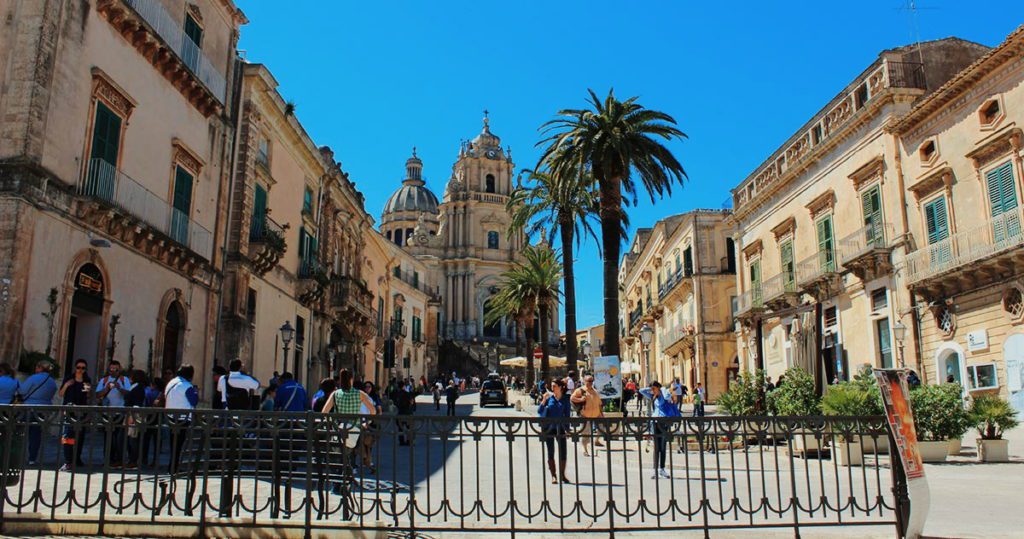
From the small Piazza della Repubblica, in just a few minutes, crossing the maze of narrow streets that weaves Ibla, you reach the heart of the neighborhood: Piazza Duomo.
Passing along Via Capitano Bocchieri, a street that runs alongside the Church of San Giorgio, we come across Palazzo La Rocca. This street was the most important in the ancient town of Ragusa and was known as Ciancata, because it was paved with white flagstones called cianche. The palace was built in 1975 by remodeling old homes belonging to the La Rocca family. Adding to the elegance and appeal of the façade are the seven balconies supported by majestic pitchstone canes depicting anthropomorphic figures. These fabulous sculptures depict a flutist, a lute player, a commoner clutching a child, and several cherubs. From the entrance, you can glimpse the atrium with its grand double-flight pitchstone staircase.
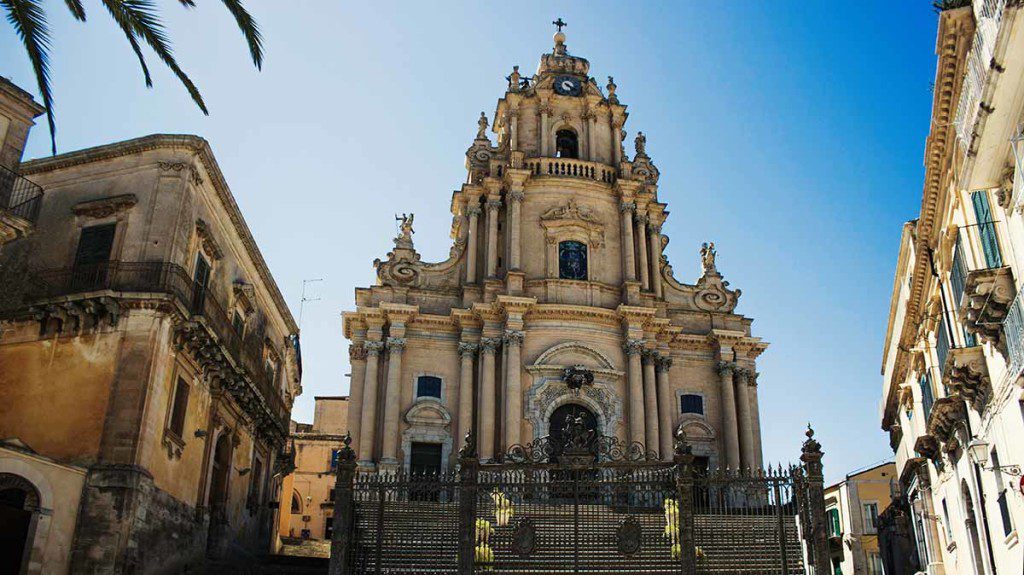
Surrounded by Baroque buildings, the square takes its name from the Cathedral of San Giorgio, which stands tall on the fifty-four steps that form the staircase that precedes it. The city’s mother church was located elsewhere, near the current Iblean Garden, where today only the portal of the original fifteenth-century structure remains.
The church was severely damaged in the 1693 earthquake, but continued to host religious services. Only in the mid-18th century was it decided to rebuild the cathedral, choosing a more central location relative to the town, which was slowly recovering after the earthquake. The church of San Nicola already existed in the chosen location, but was destroyed to make way for the new place of worship. On June 28, 1739, as noted by a plaque on the right side of the steps, the first stone was laid, but work did not begin until five years later due to resistance from the procurators of the church of San Nicola, who attempted, in vain, to prevent its destruction.
The design of the new church was entrusted to Rosario Gagliardi, an architect from Noto who was instrumental in the Baroque reconstruction of the Val di Noto. The Duomo is probably his finest work. To emphasize its grandeur, he built the building on a grand staircase and positioned its facade obliquely with respect to the square. These choices make the façade even more majestic, and thanks to a clever play on perspective, the façade does not obscure the enormous dome, which can also be admired from the square.
The central section of the façade is slightly convex, a feature that, along with the free-standing columns, gives it a sense of plasticity and harmonious elegance. The first tier features a large portal richly decorated with friezes; the wooden doors are sculpted with six panels recounting the martyrdom of Saint George. In the second and third tiers, two volutes support two pairs of statues: Saint George and Saint James at the bottom, and Saint Peter and Saint Paul at the top. The tower-like façade ends with a bulbous spire above the clock. The date 1775 on the spire marks the completion of the façade, which concluded with the setting of the bells.
The church houses several paintings by the most important Sicilian painters of the 18th century, a large pipe organ, and the statue of Saint George on horseback, which, along with the reliquary chest, are carried in procession during the festival.

5 – The buildings in Piazza Duomo
The square is lined with stunning buildings. Among the most interesting is Palazzo Arezzo di Sanfilippo, a building dating back to the 16th century that has undergone numerous modifications over the centuries, altering its original appearance. In the 20th century, the central section was completely rebuilt, opening an Art Nouveau gallery that connects the square to Via Maria Paternò.
A few meters further down, Palazzo Arezzo Veninata opens onto a small square with a fountain. The façade is adorned with Art Nouveau floral decorations, and the railings embrace a staircase with steps rising in concentric rings to a terrace leading to the entrance. This structure also dates back to before the 1693 earthquake, but its current appearance reflects the modifications made over the centuries, most recently in the last century.
On the opposite side, Palazzo Maggiore and Palazzo Majorana have a similar history to the previous two. Owned by the La Rocca Ingrassotta family, they were sold at the end of the 19th century. The current structure dates back to the 20th century, when they were rebuilt and adapted to the style of the other buildings in the square.
Our OFFER
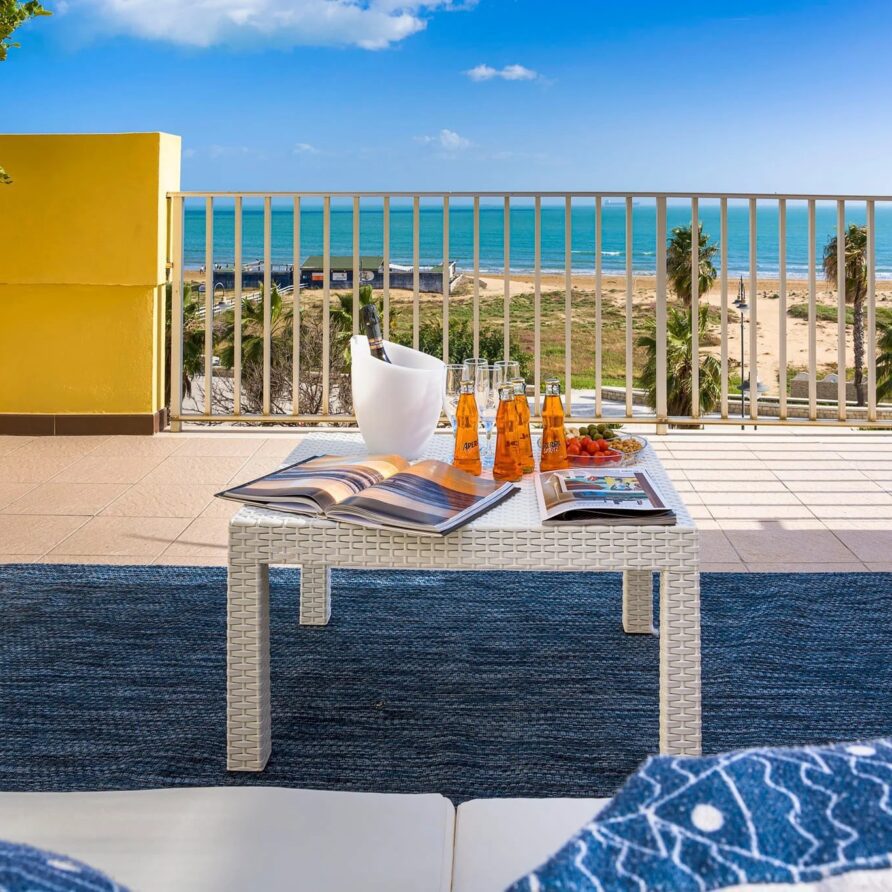
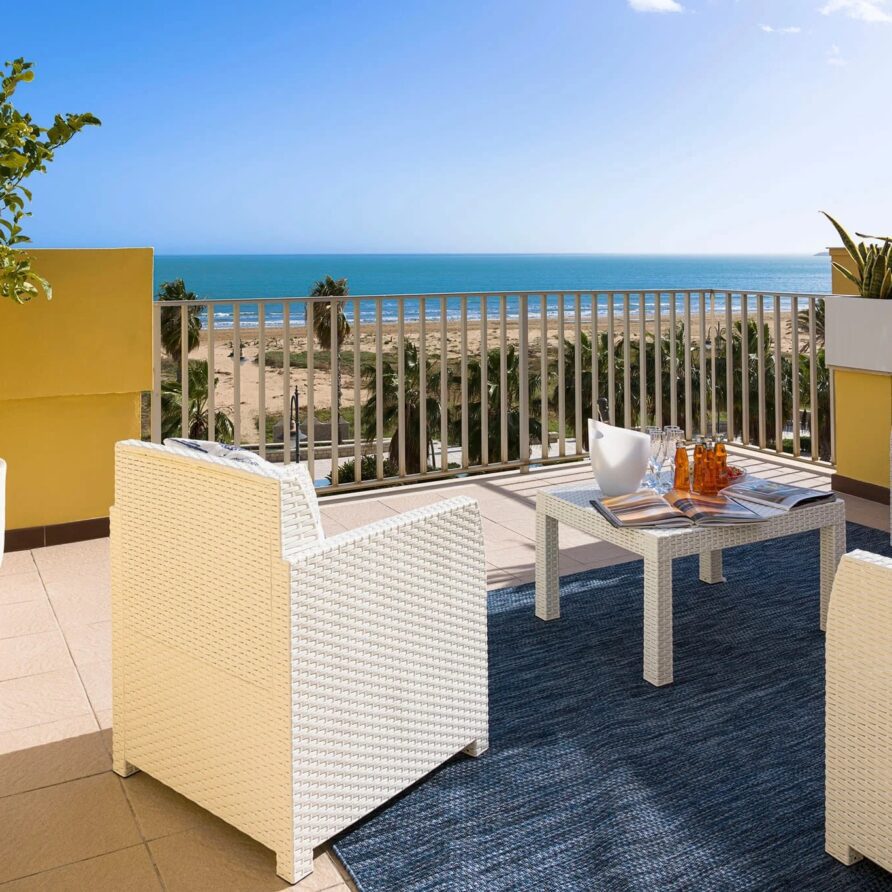
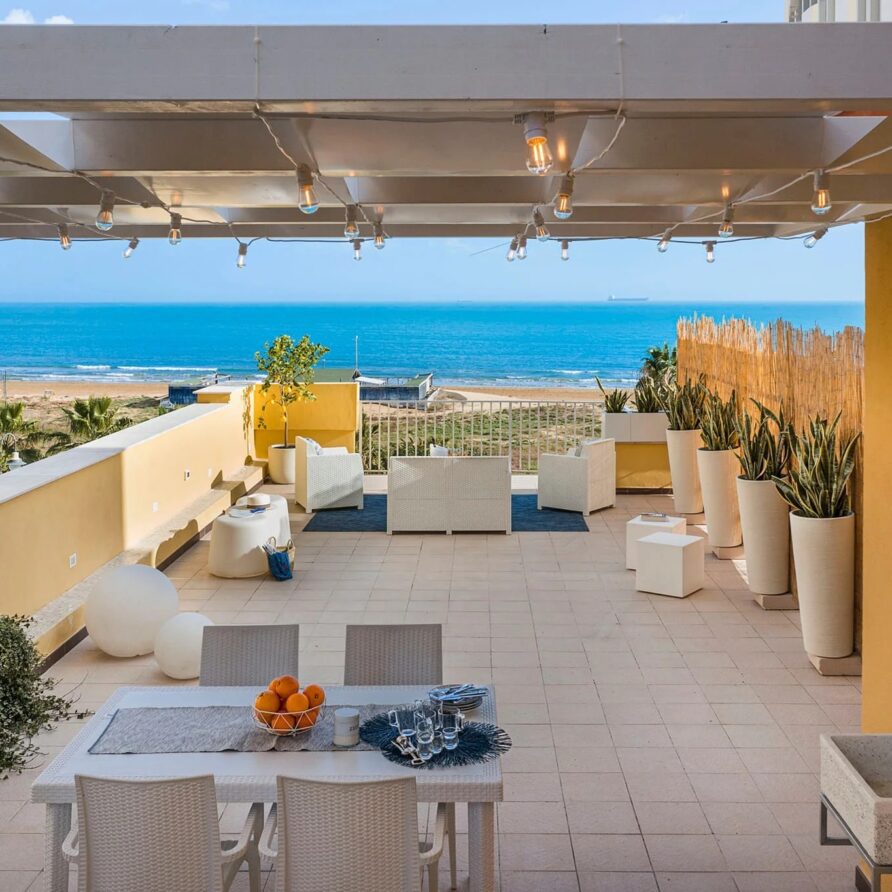
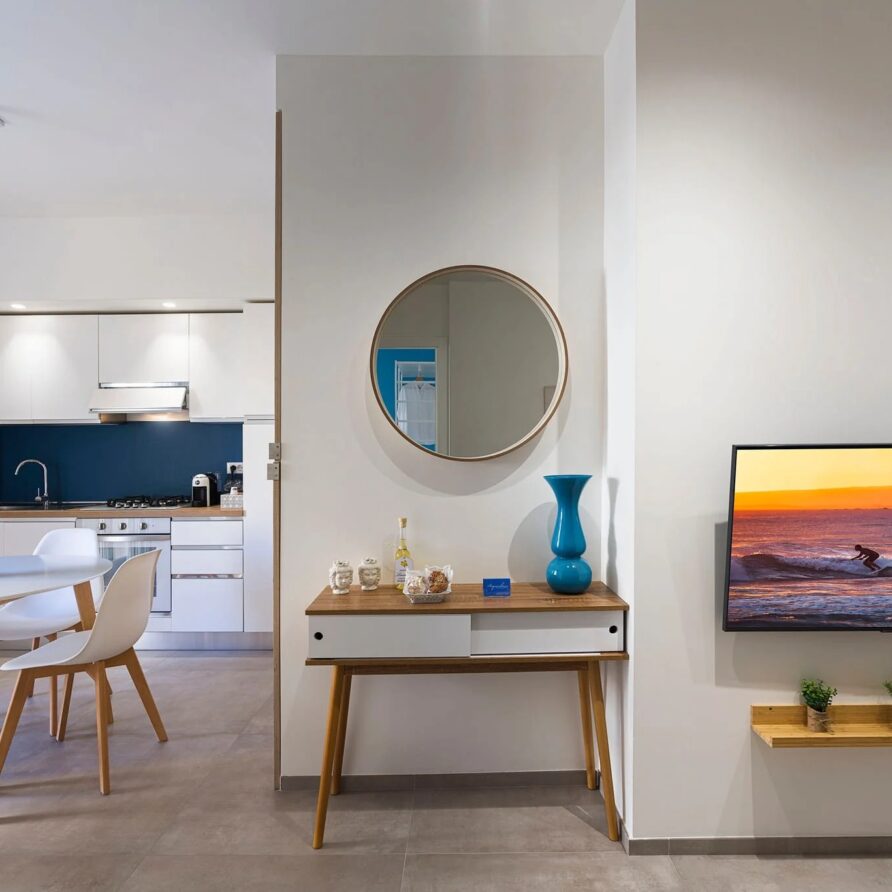
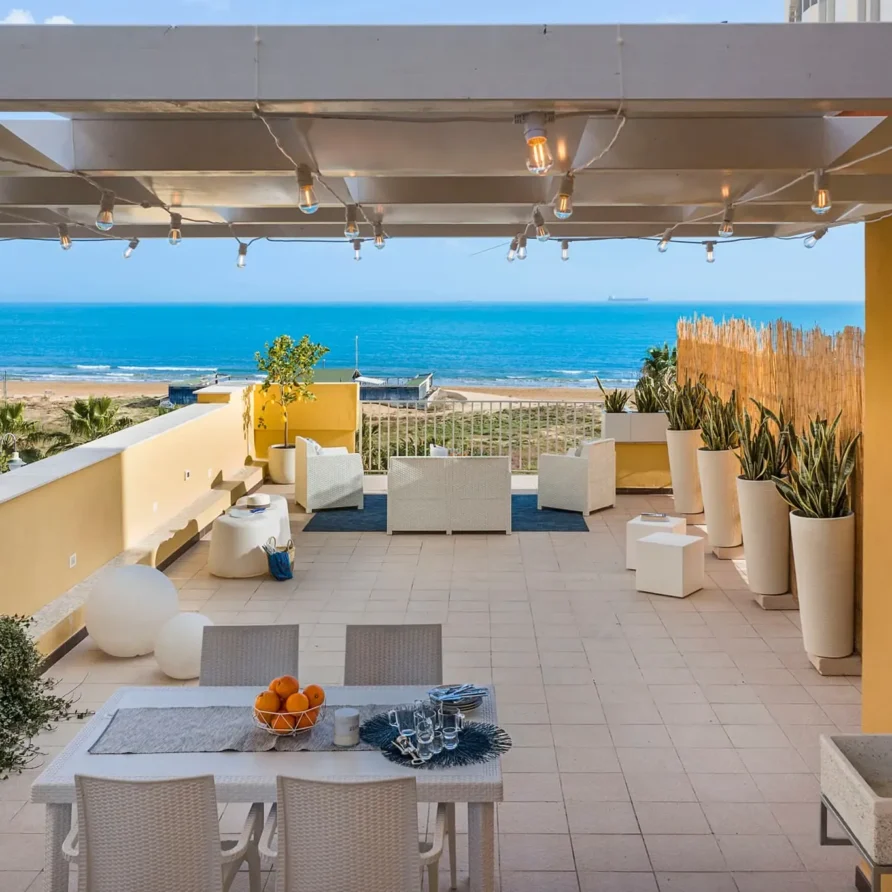
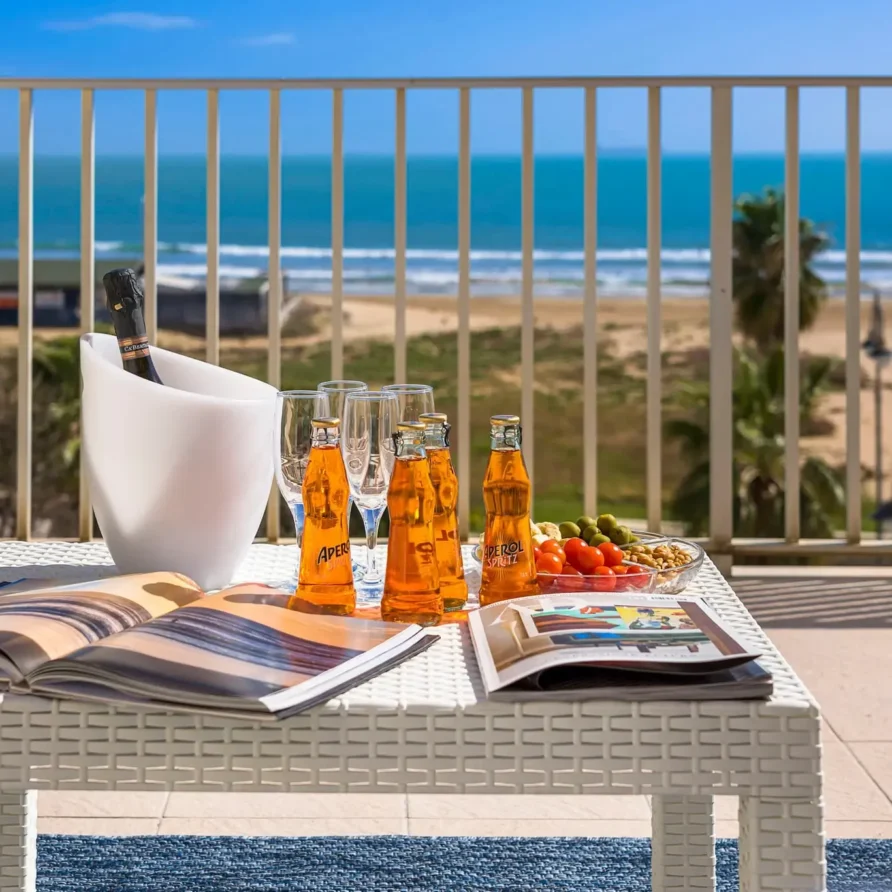
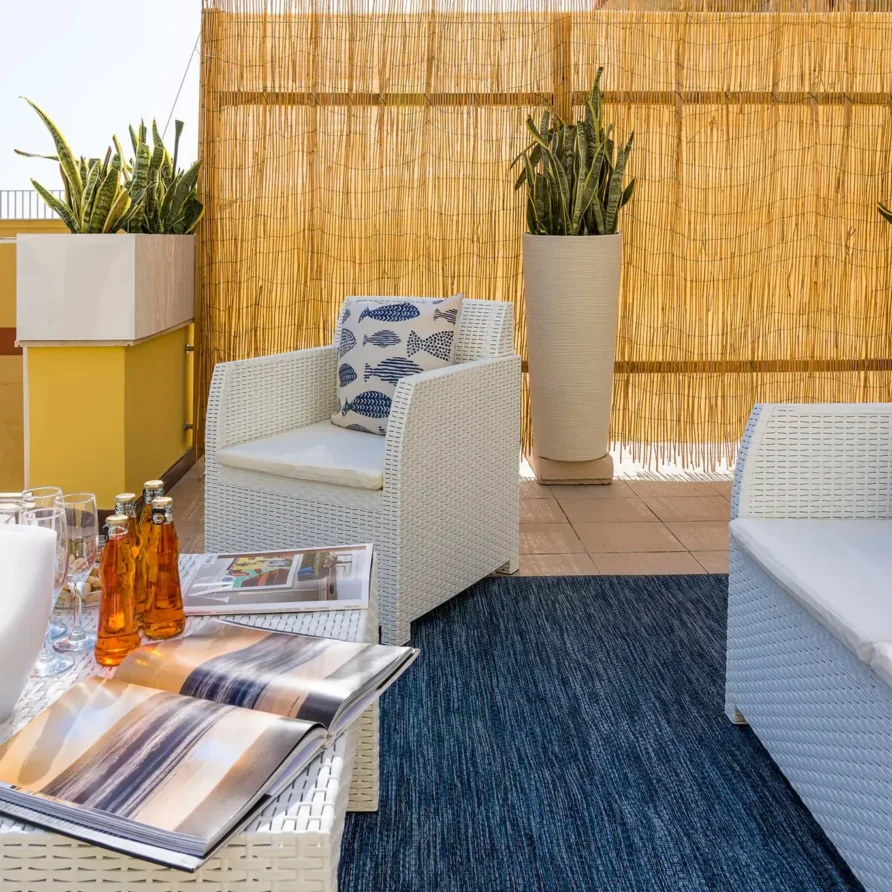
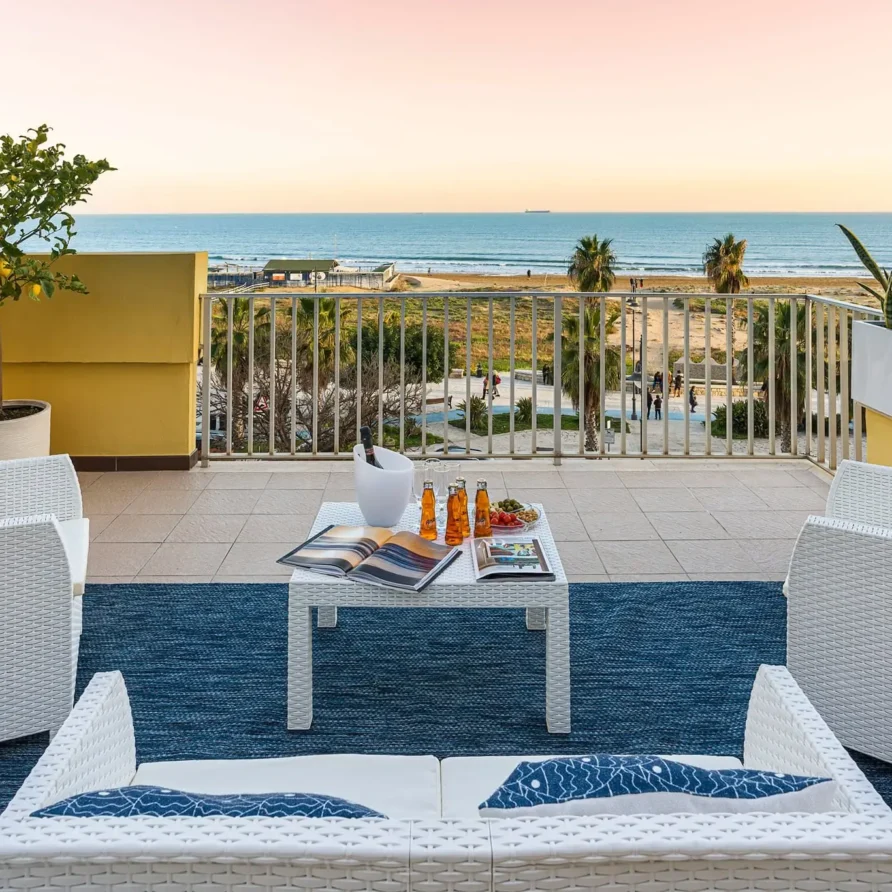
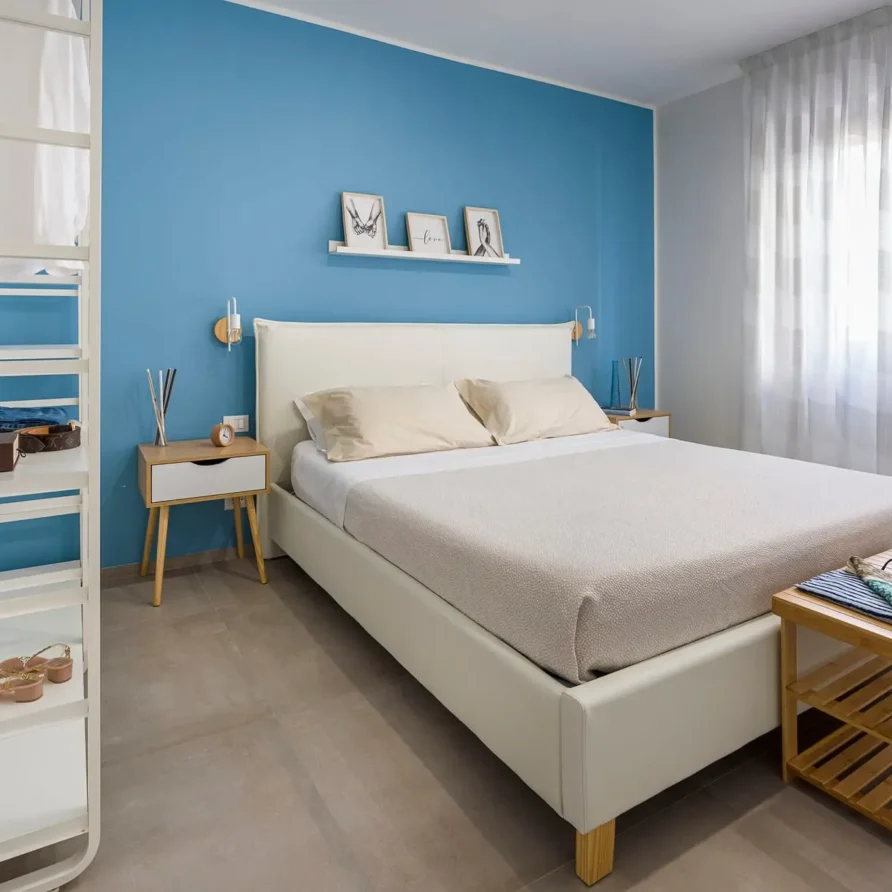
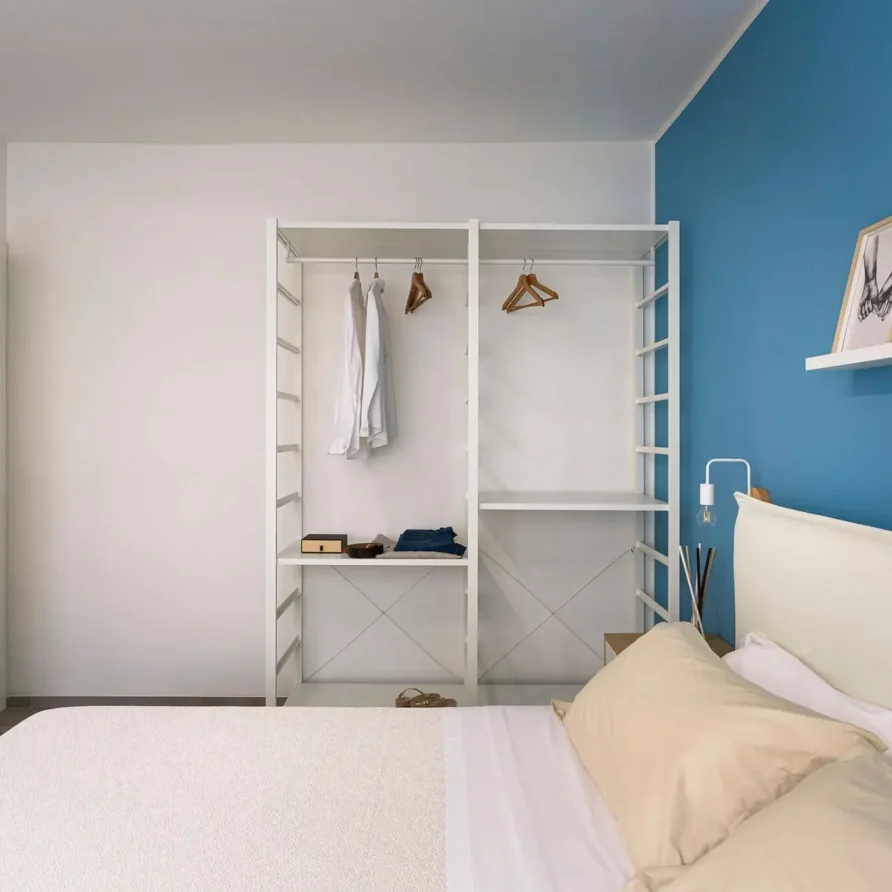
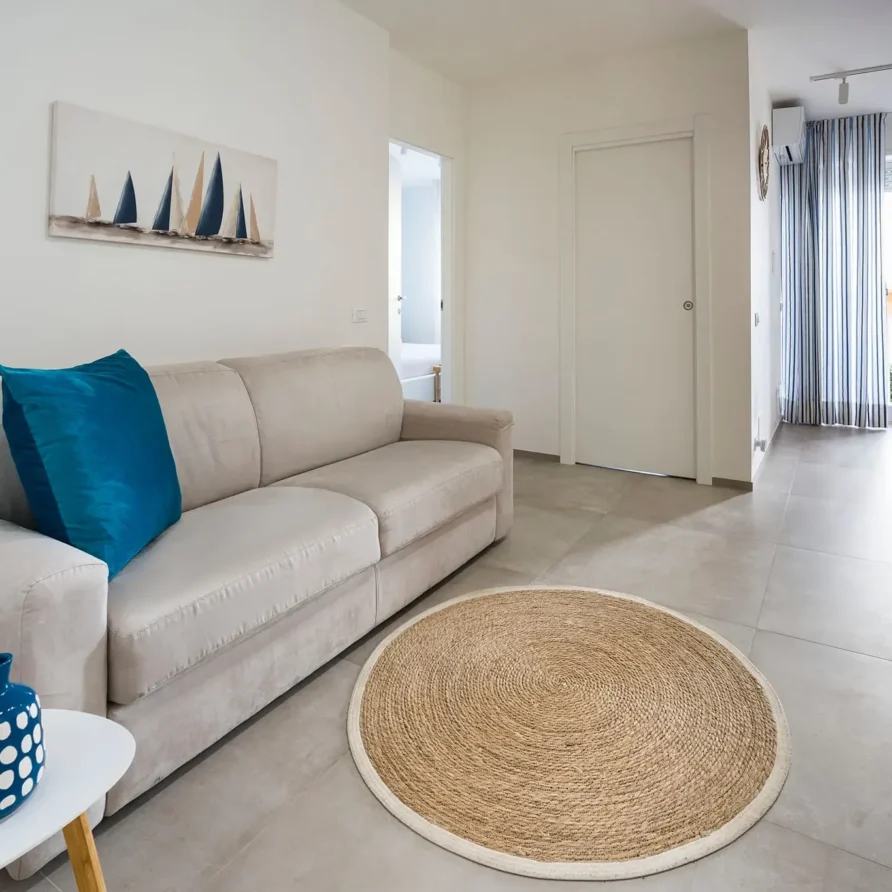
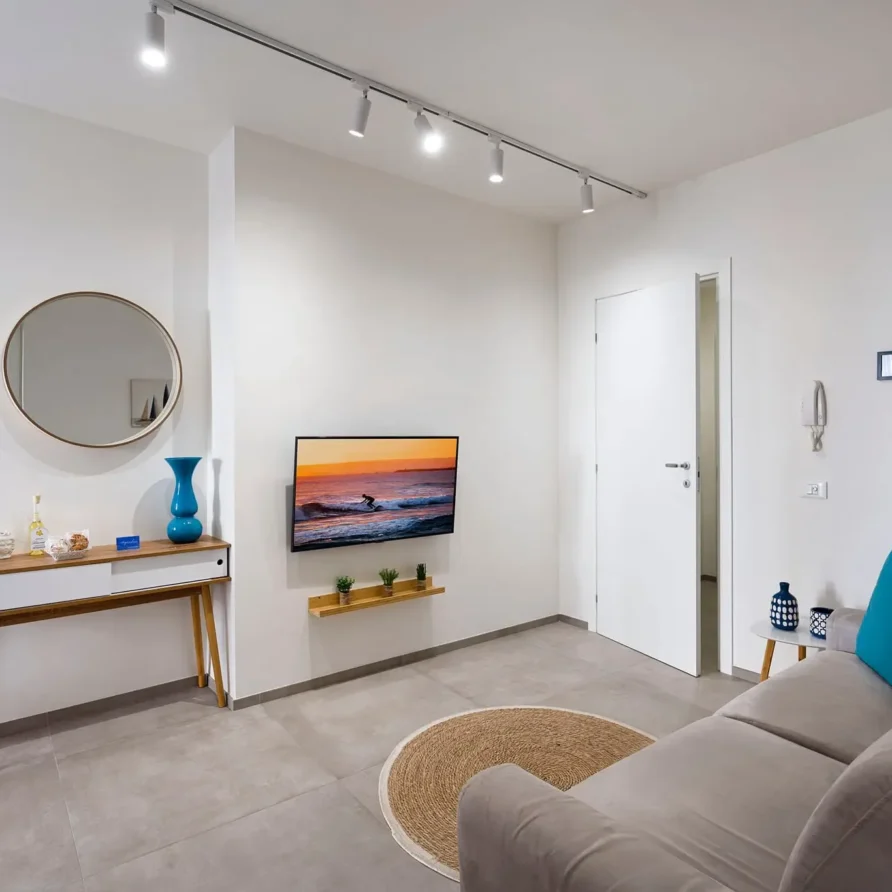
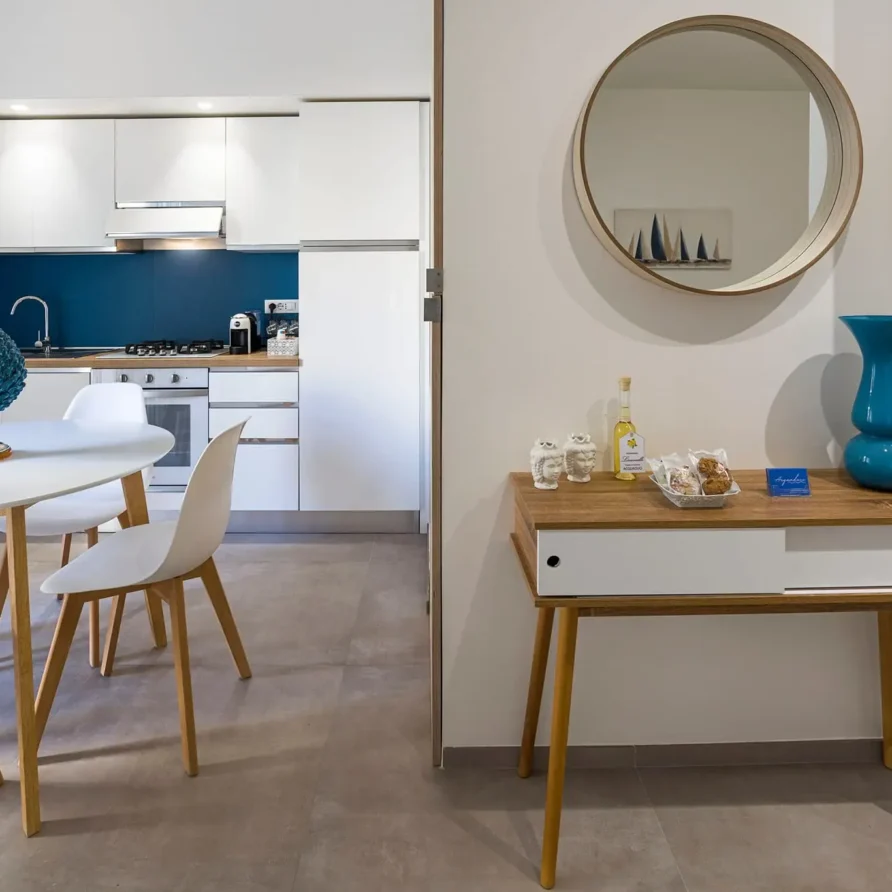
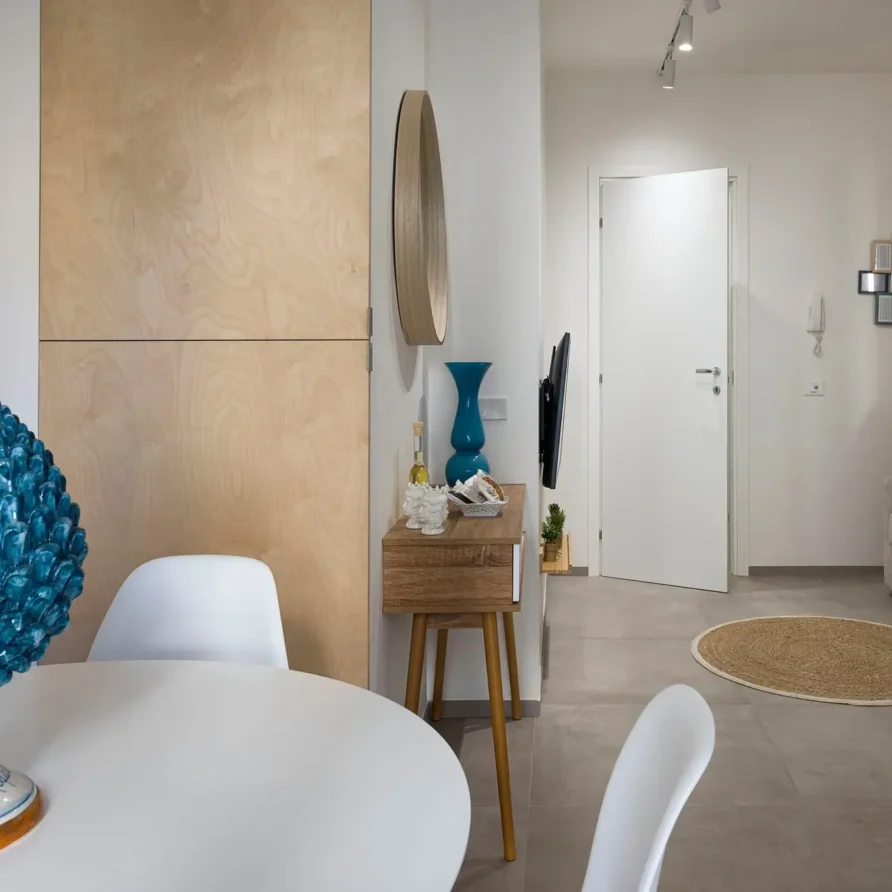
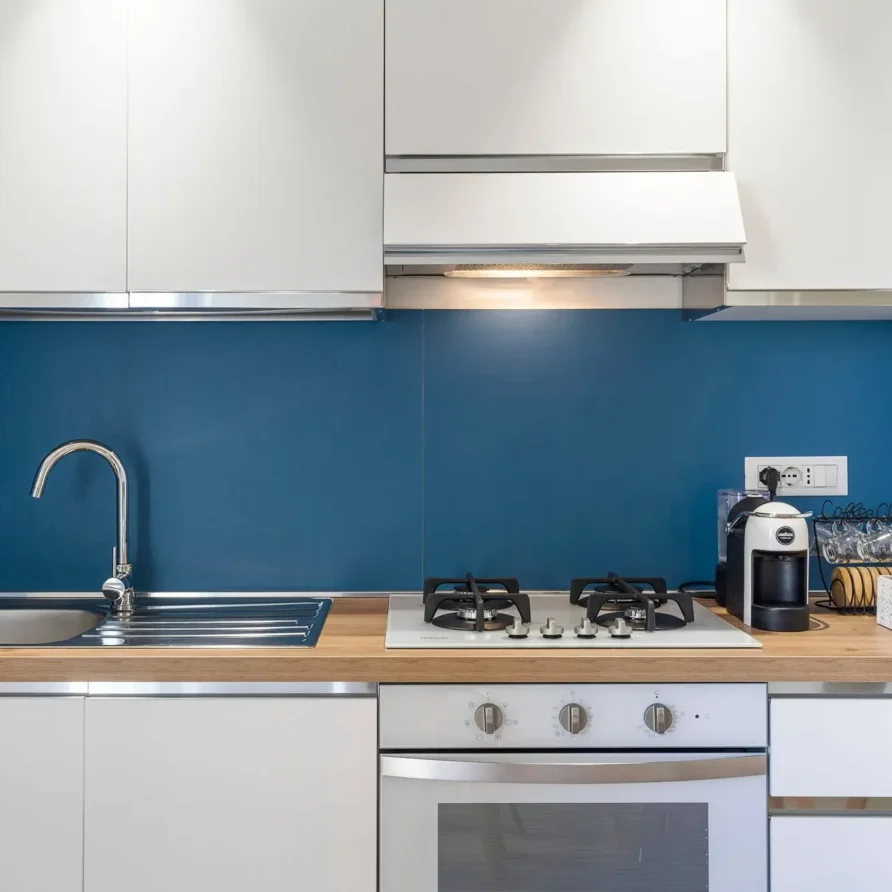
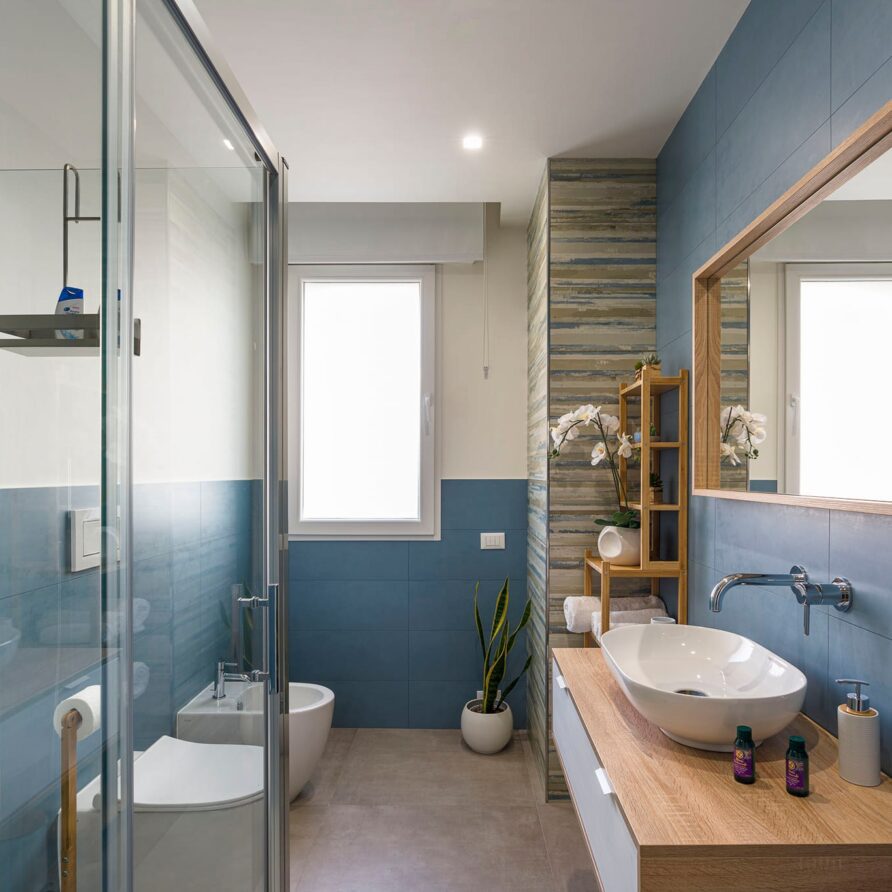
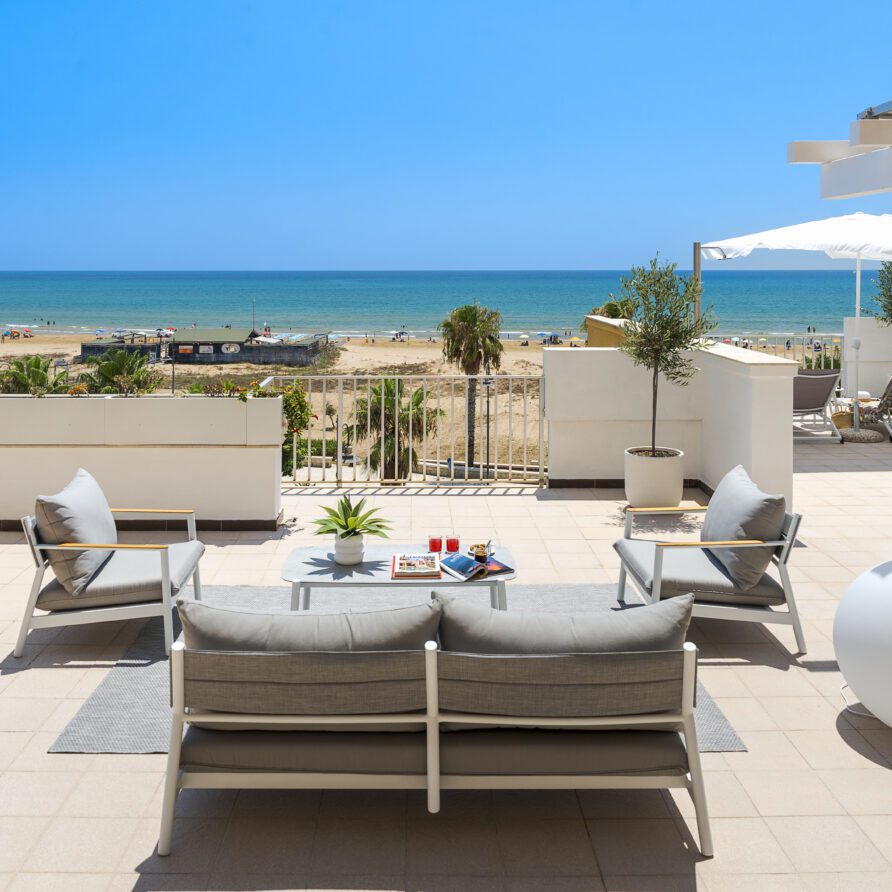
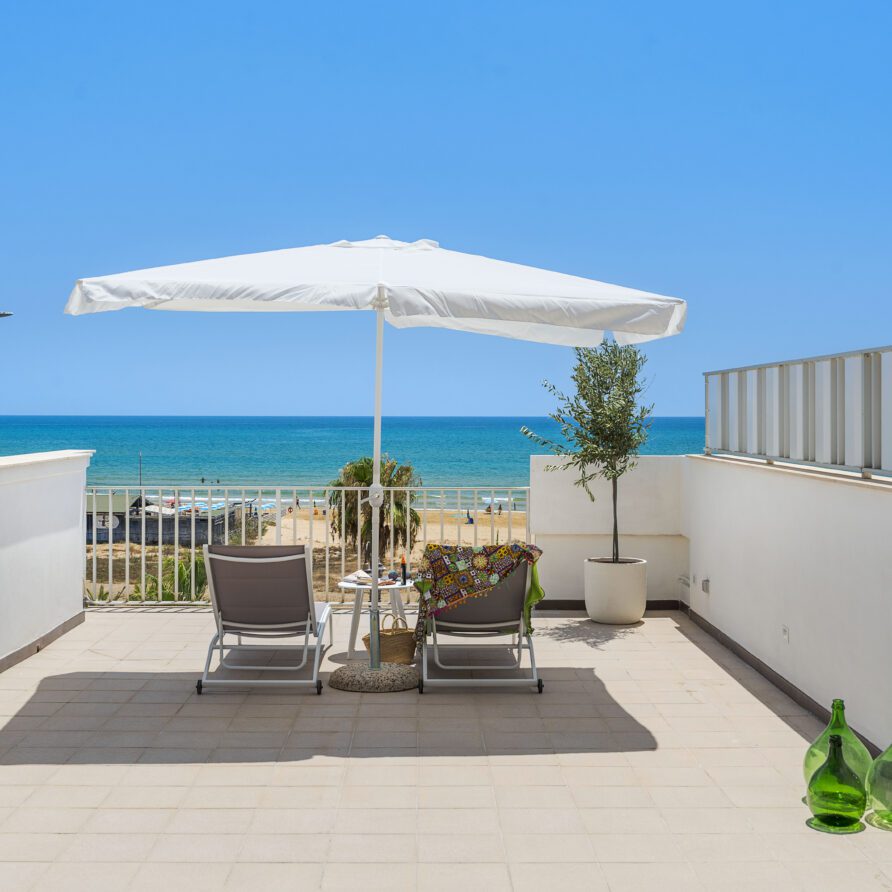
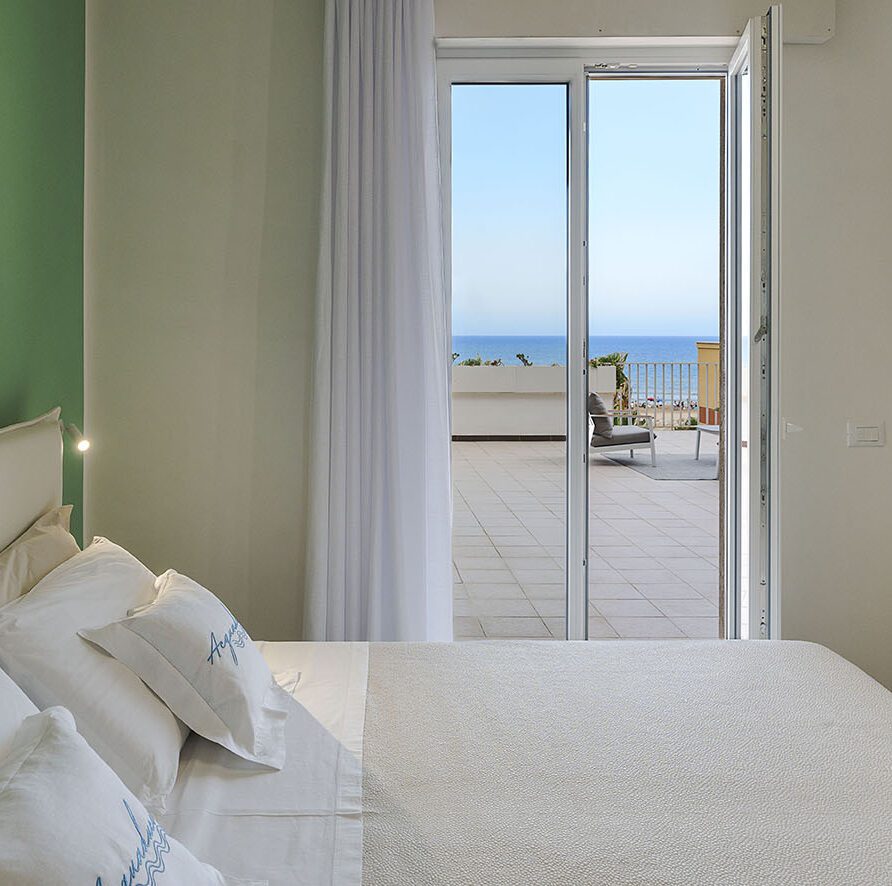
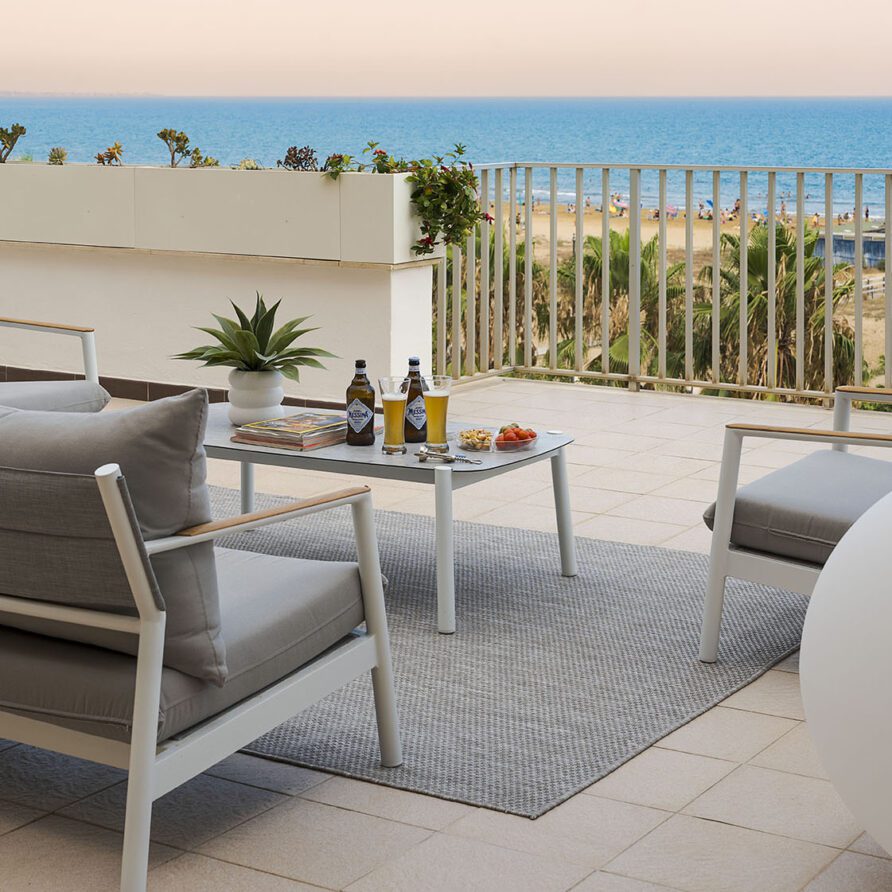
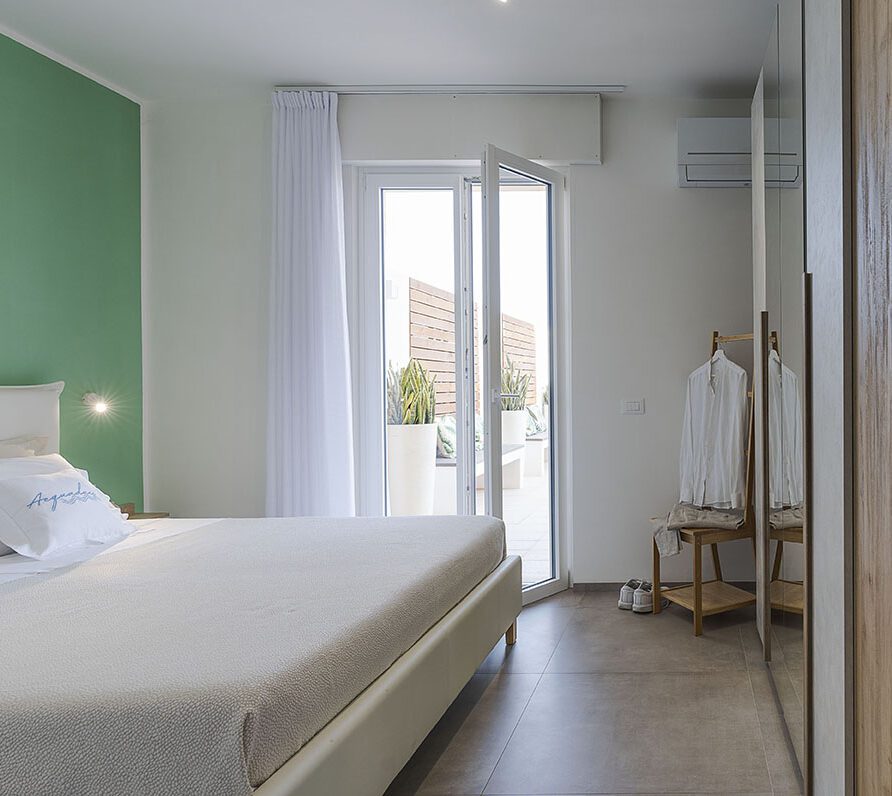
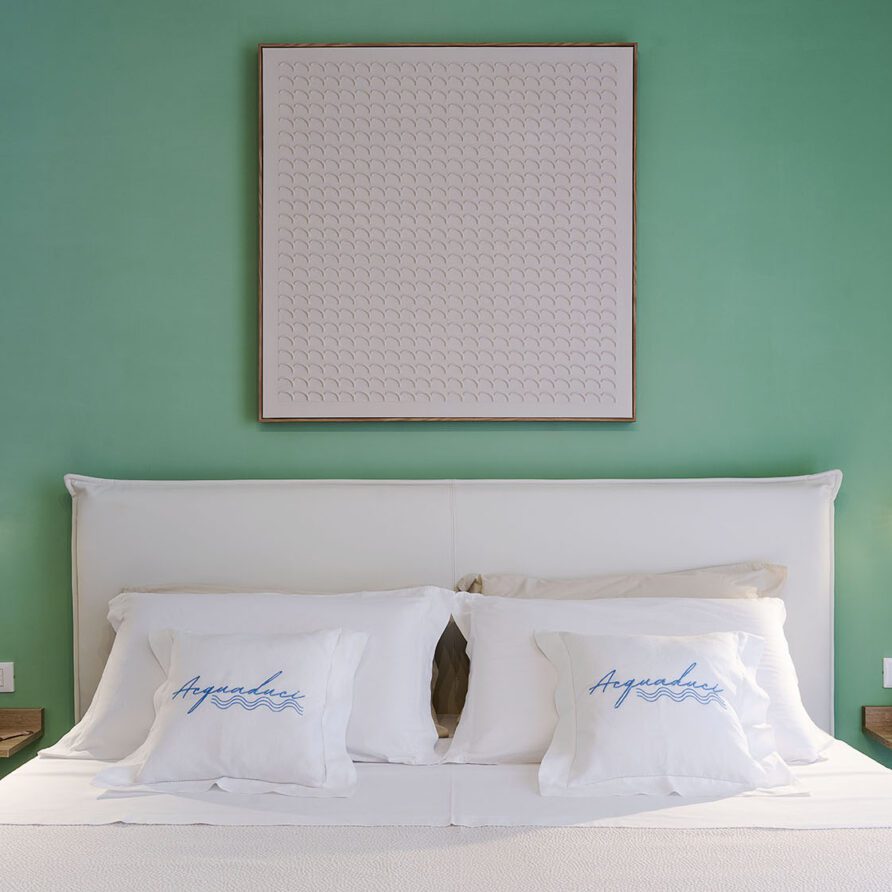
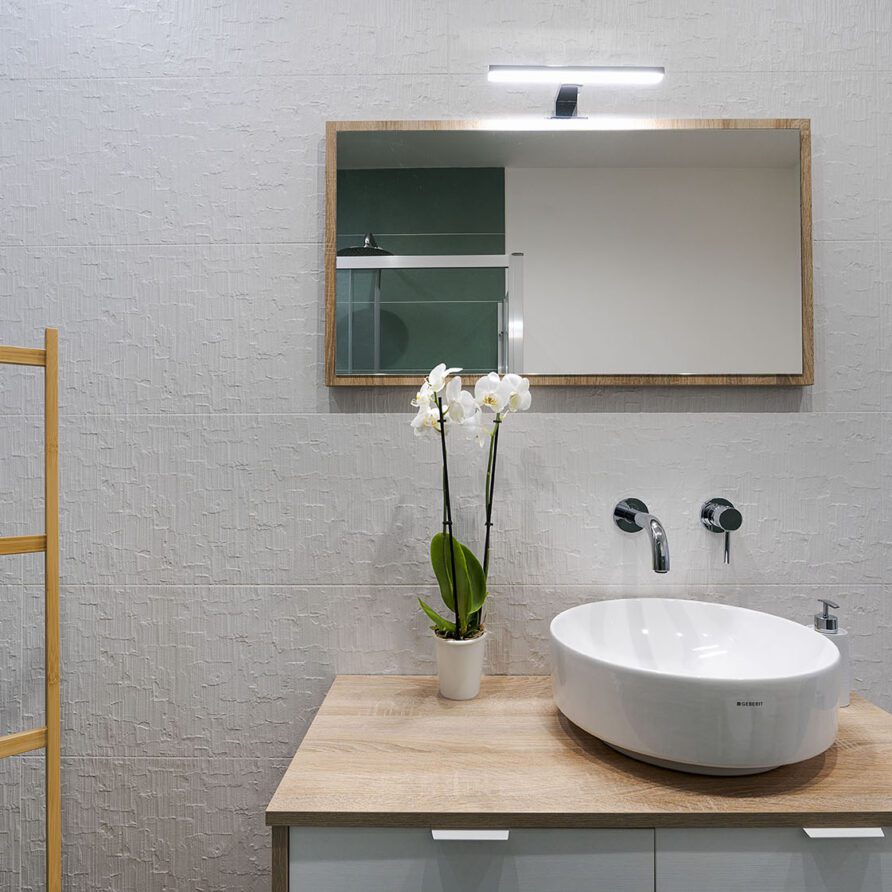
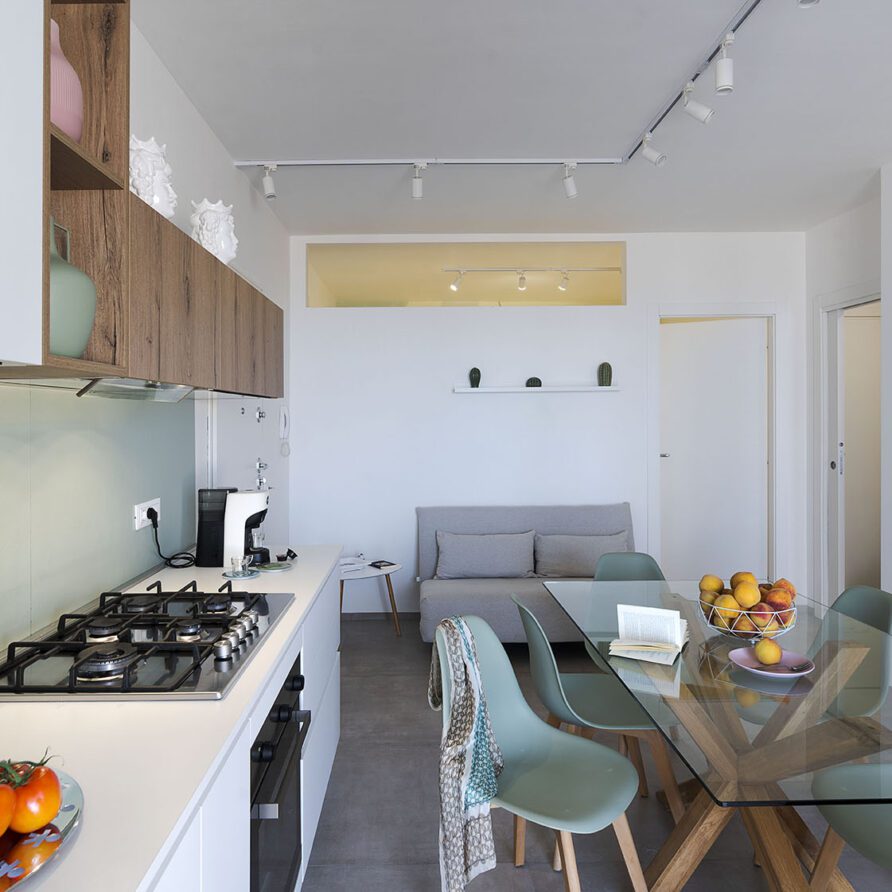
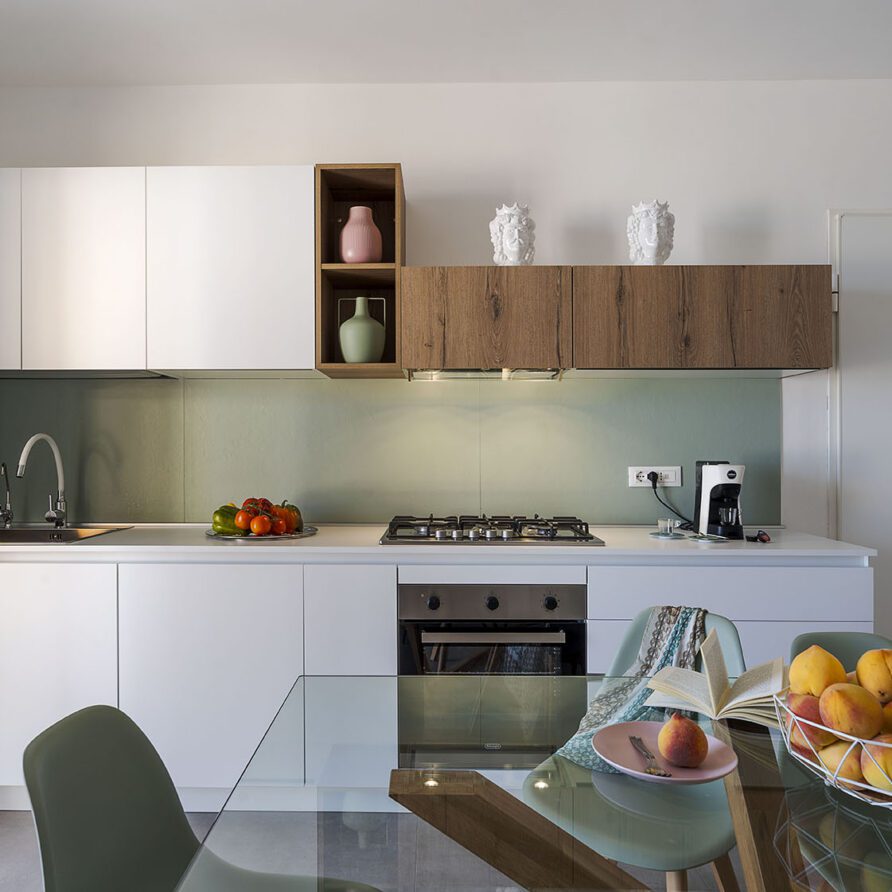
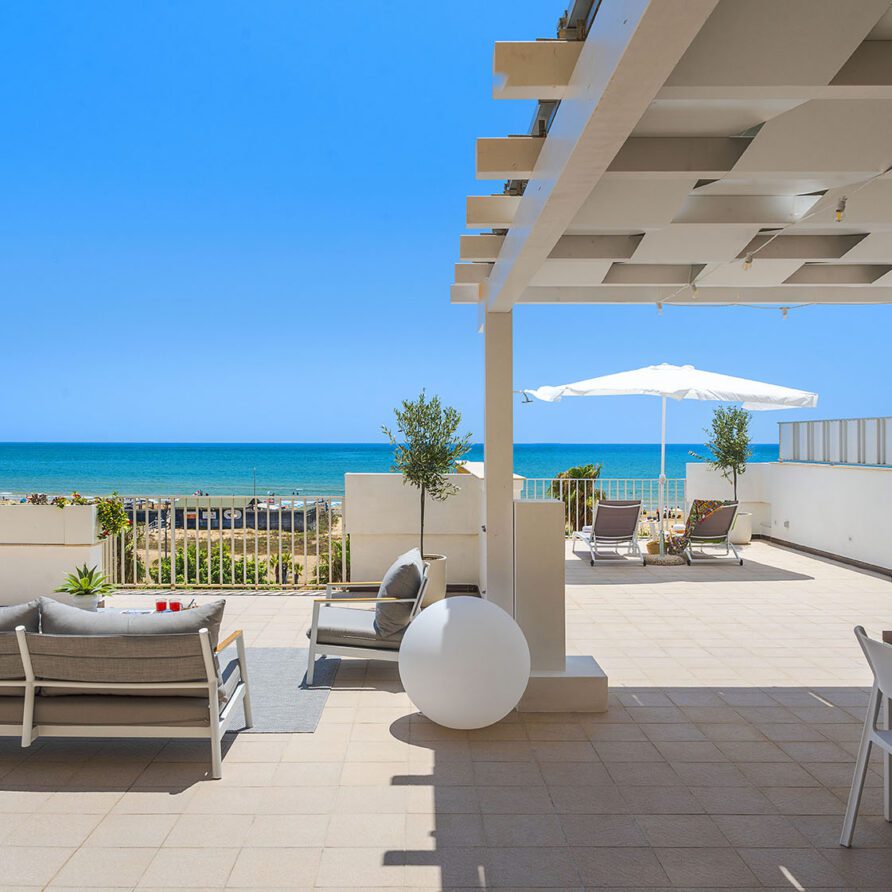
Acquaduci – Seafront apartment in Pozzallo
- Guests: 4
- Size: 60m²
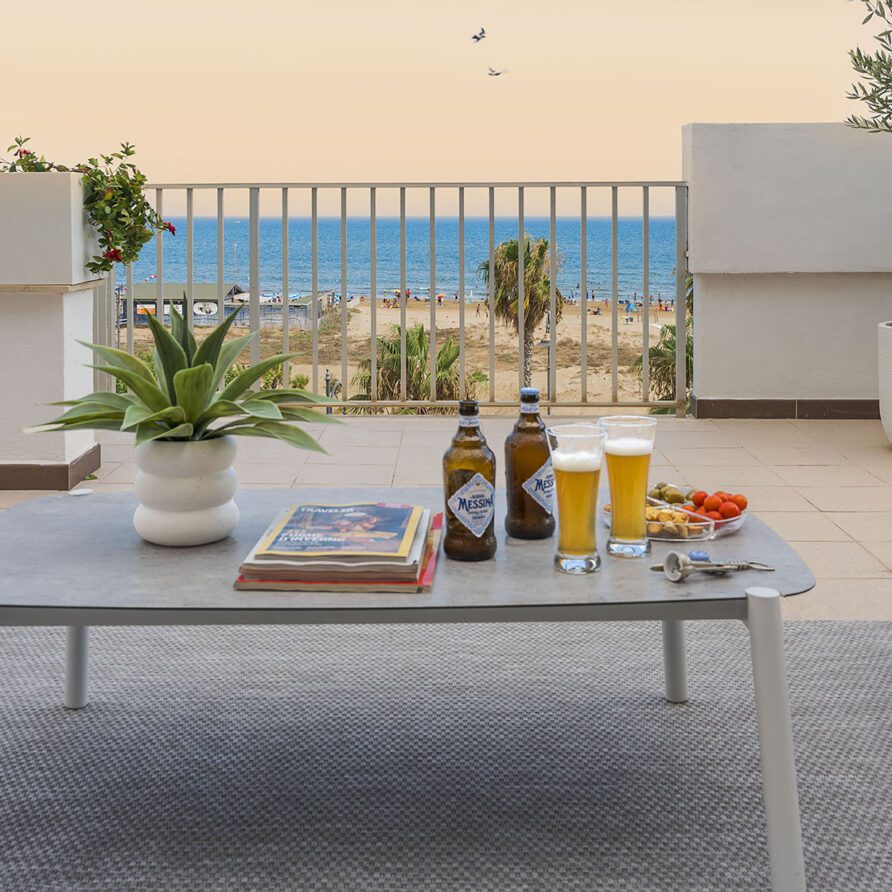
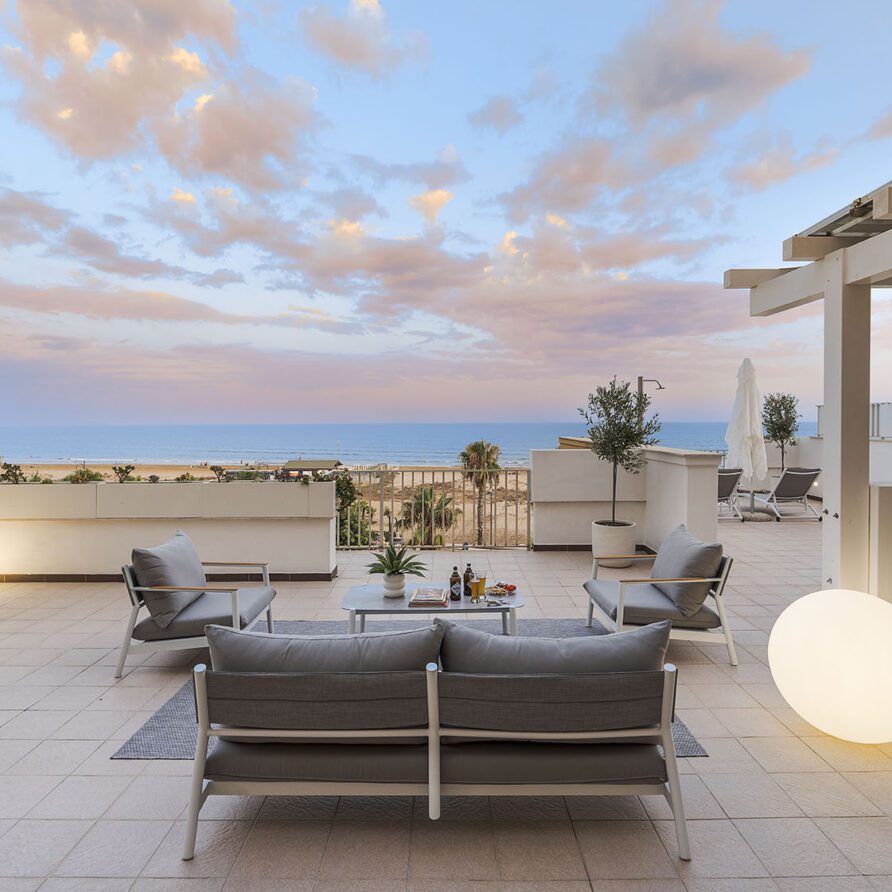
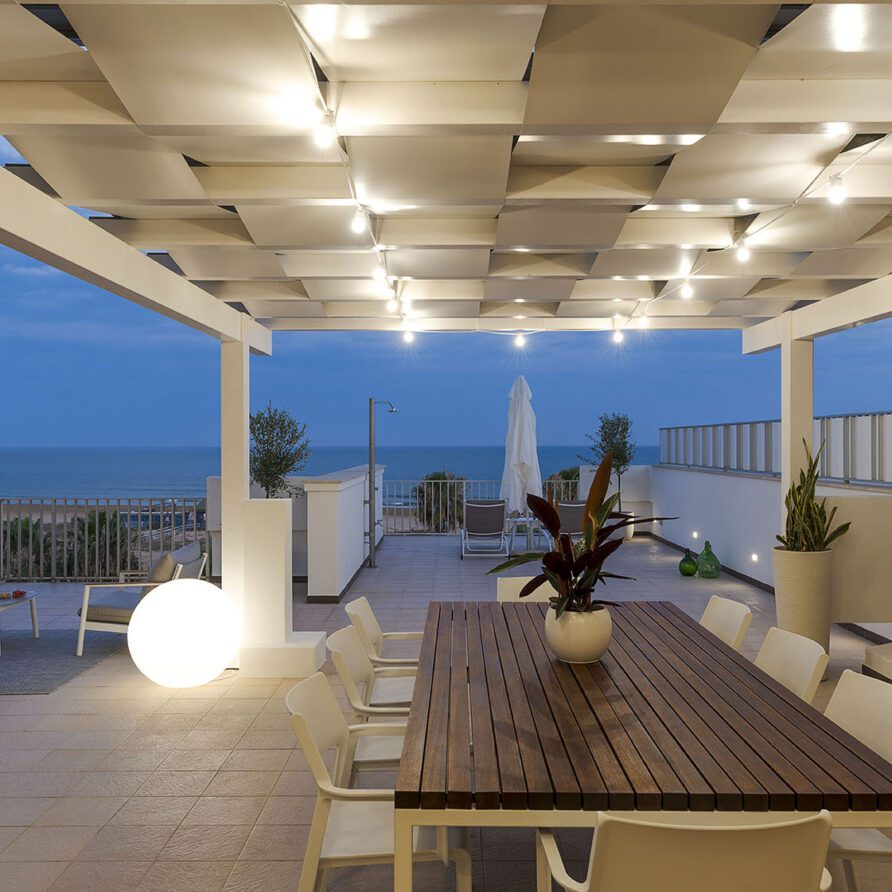
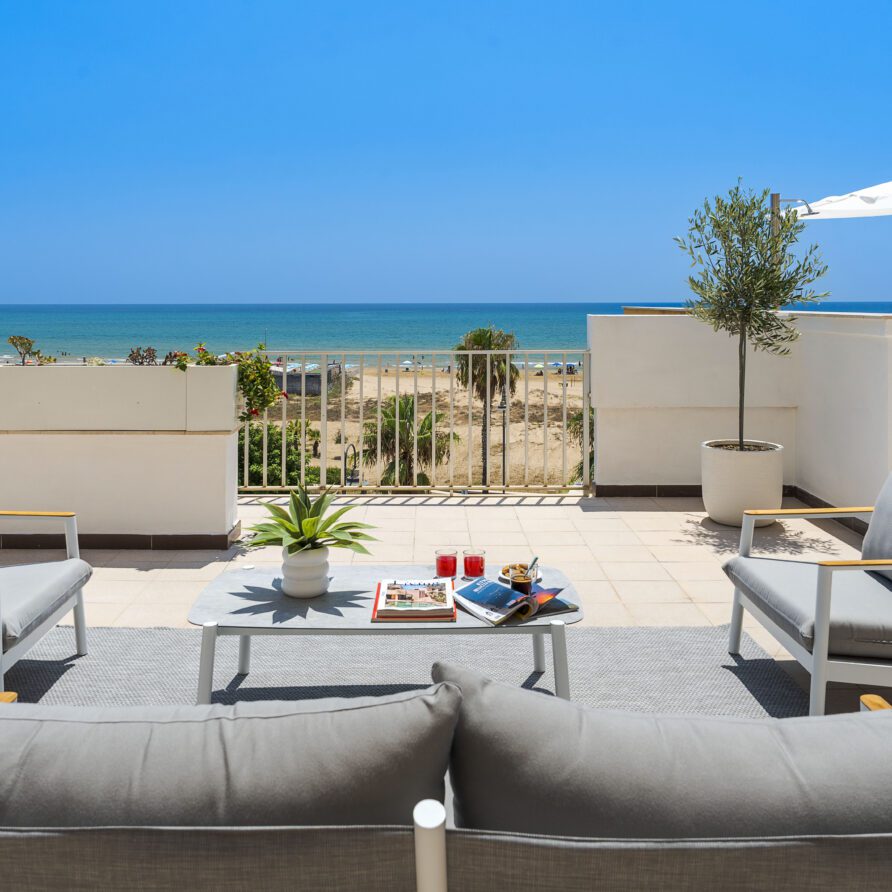
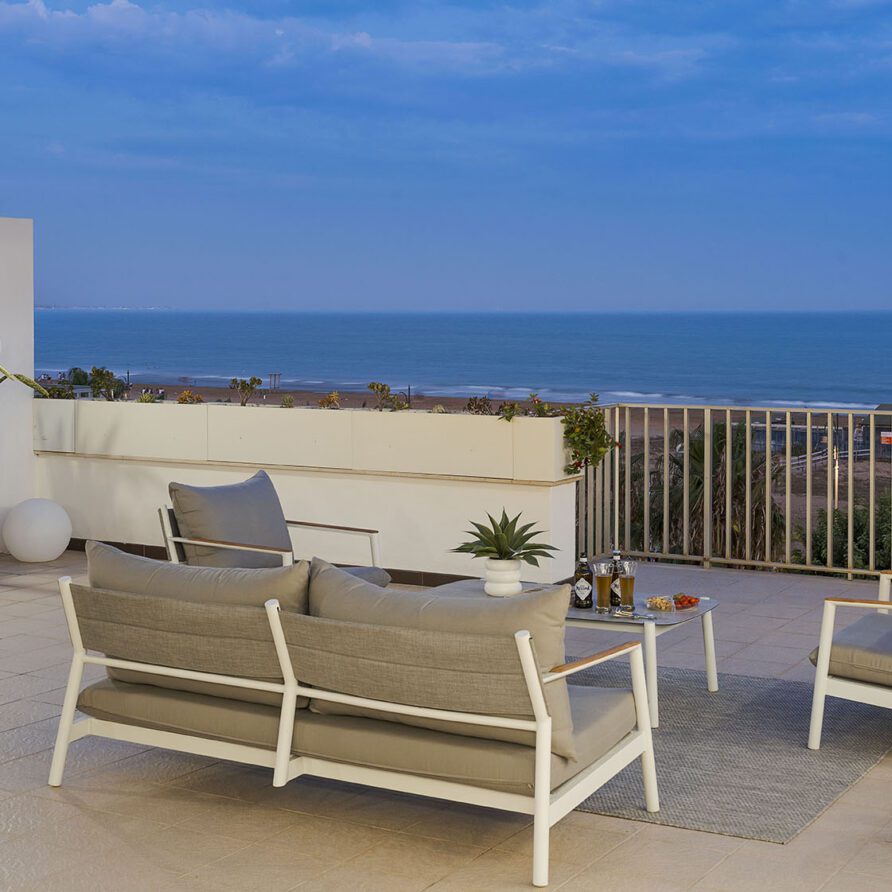
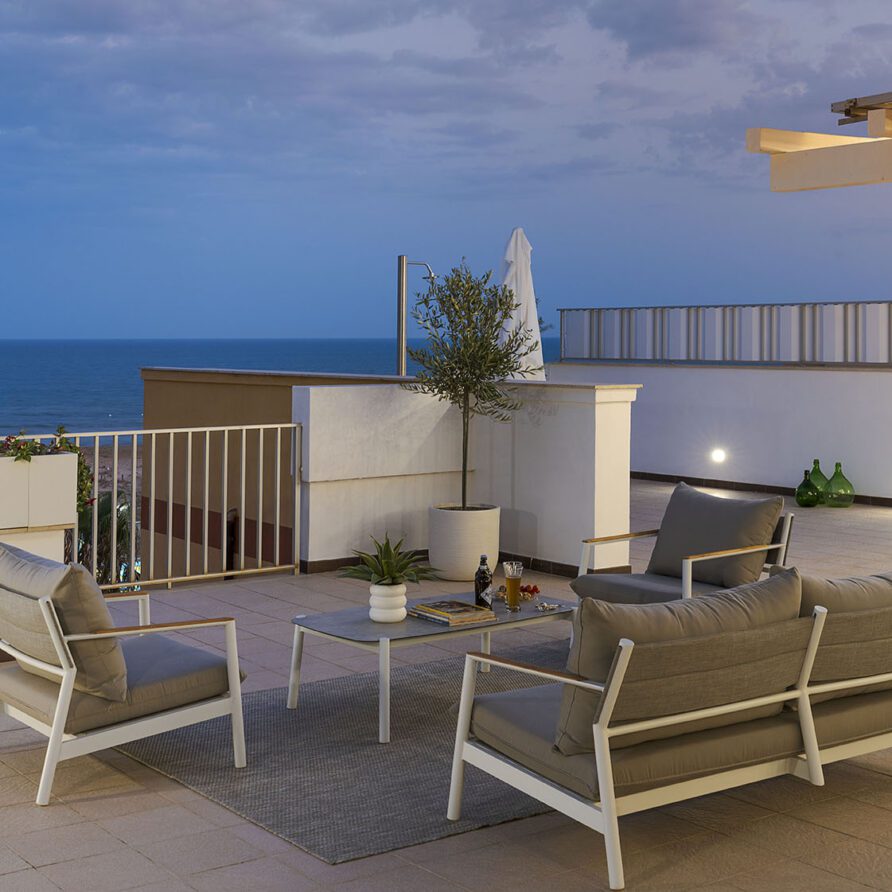
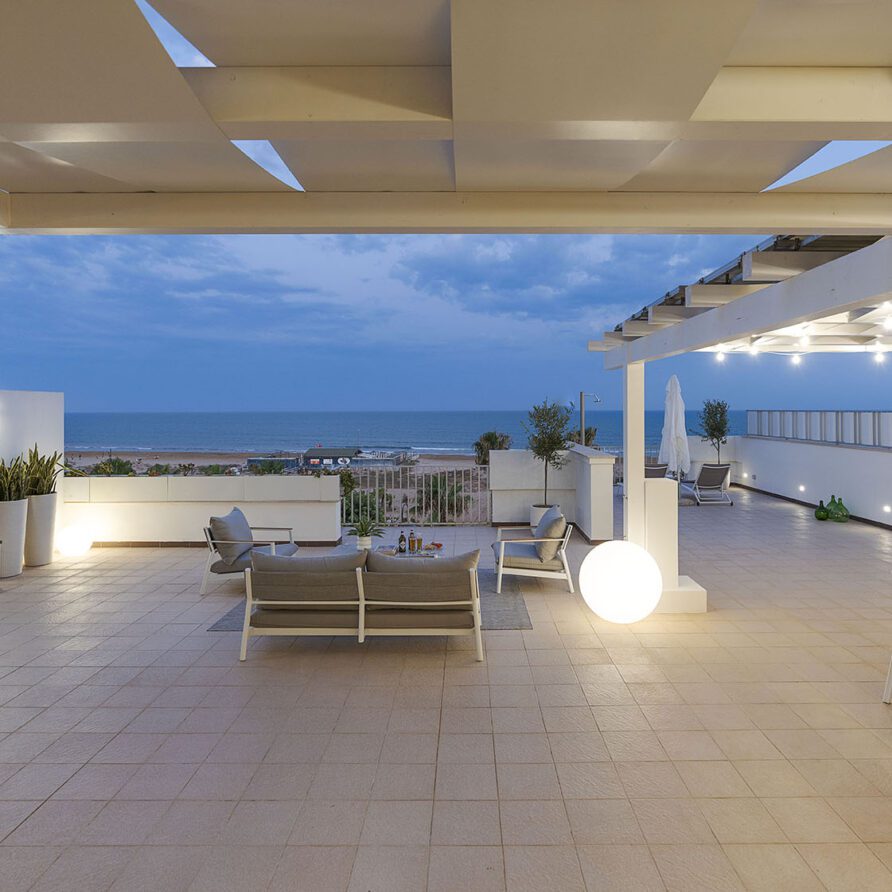
- View: Private terrace with sea view (80 sqm)
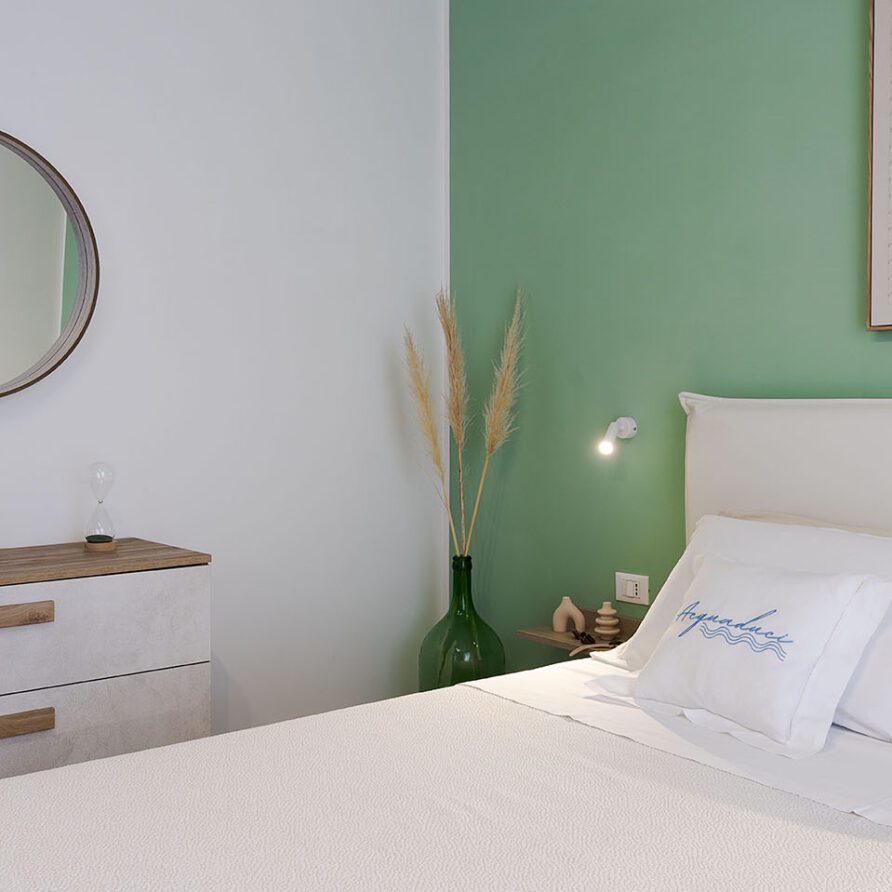
- Bed Type: 1 Double Bedroom + 1 Sofa Bed (living area)
- Categories: rooms
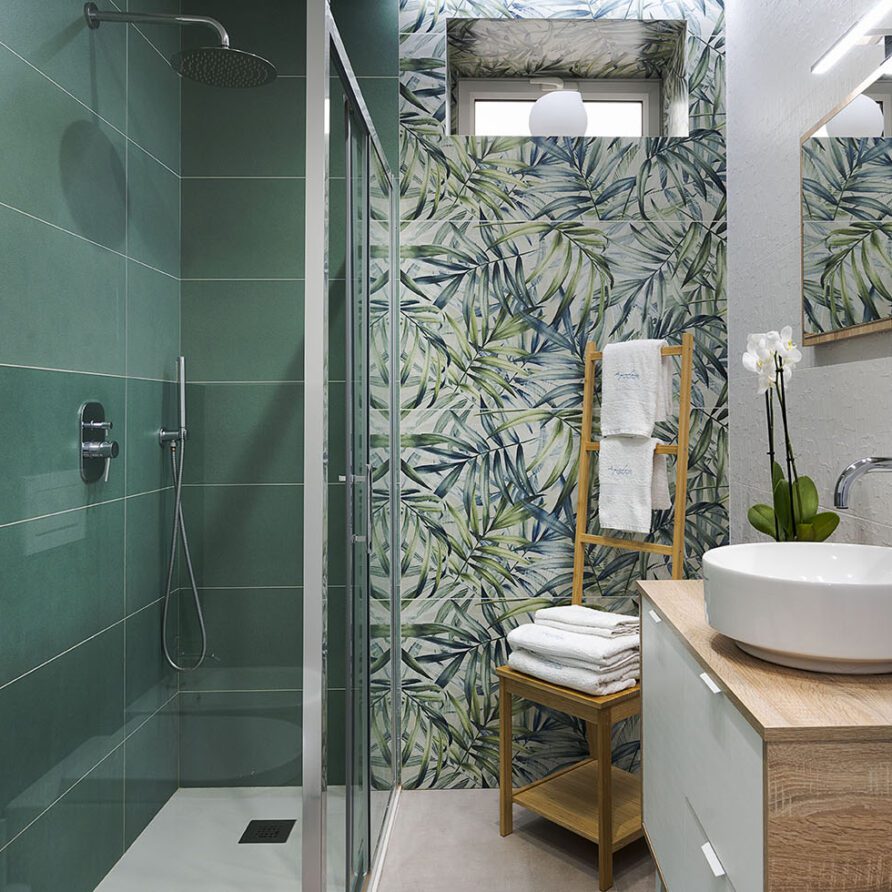
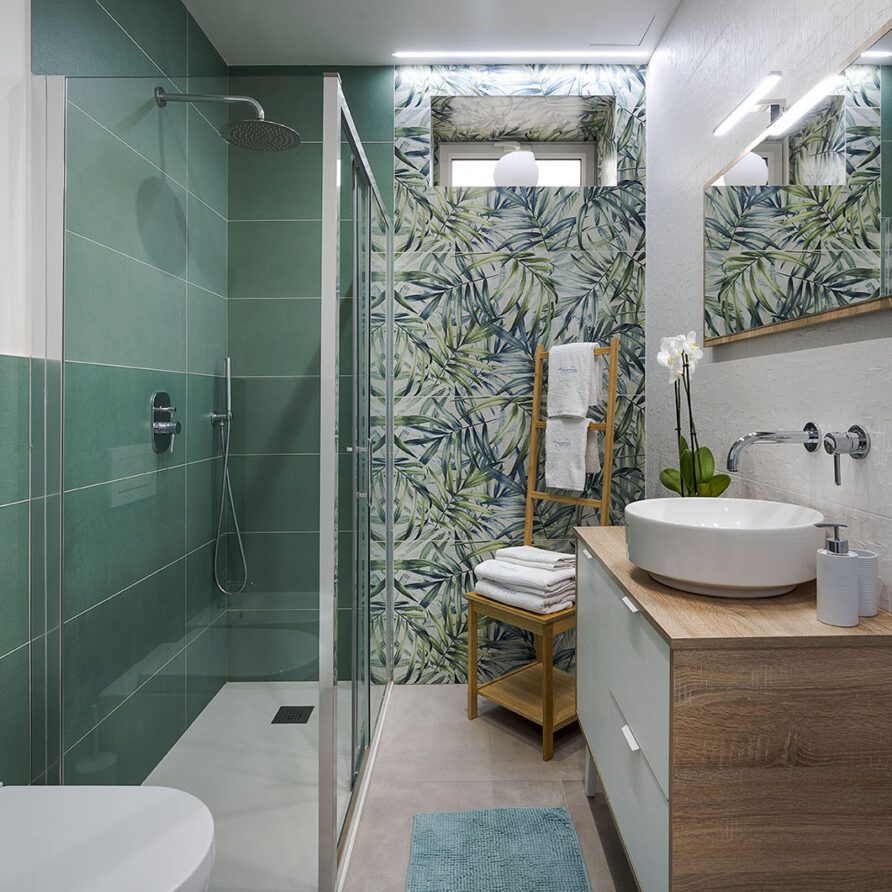
- Amenities: Air Conditioning, Bathroom Essentials, Bedroom Comforts, Flatscreen TV, Heating, WiFi
Price €108.30 per night
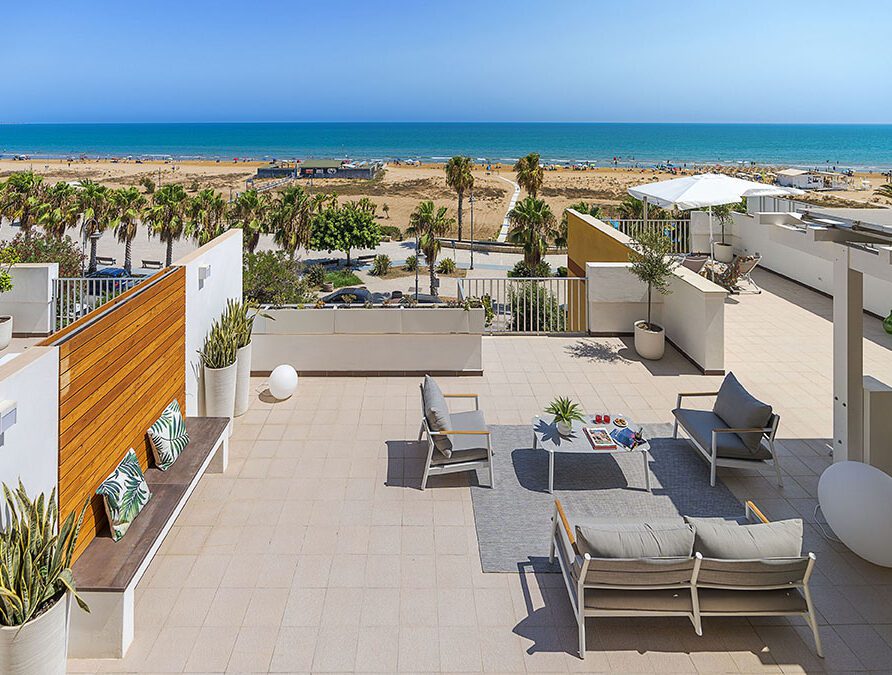
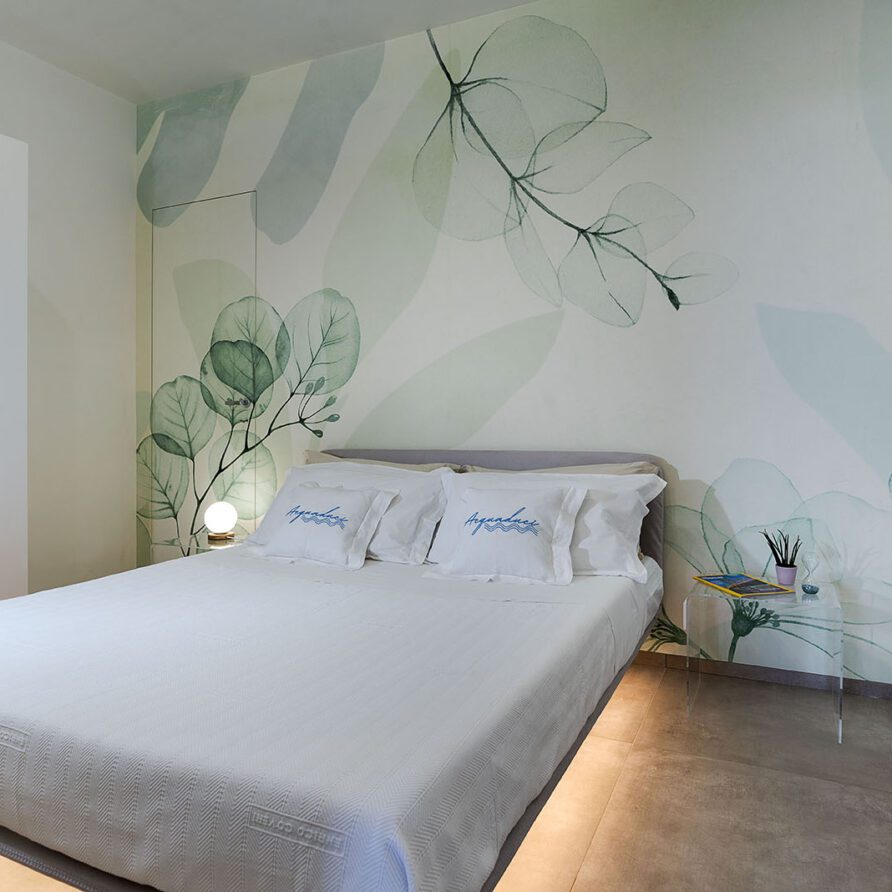
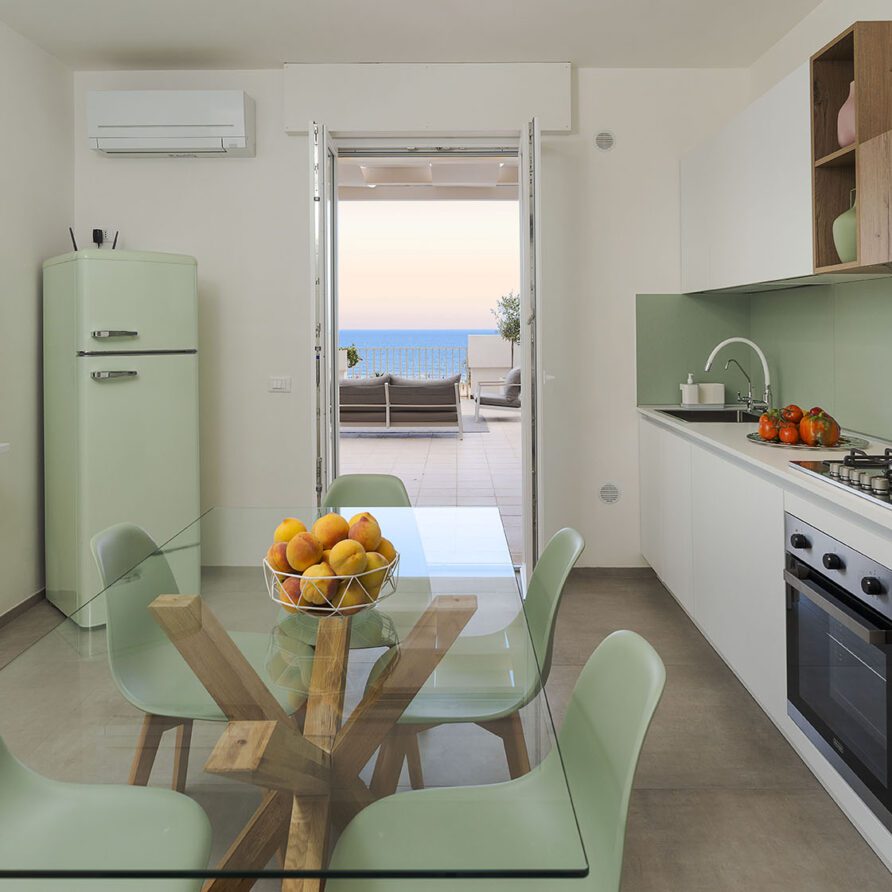
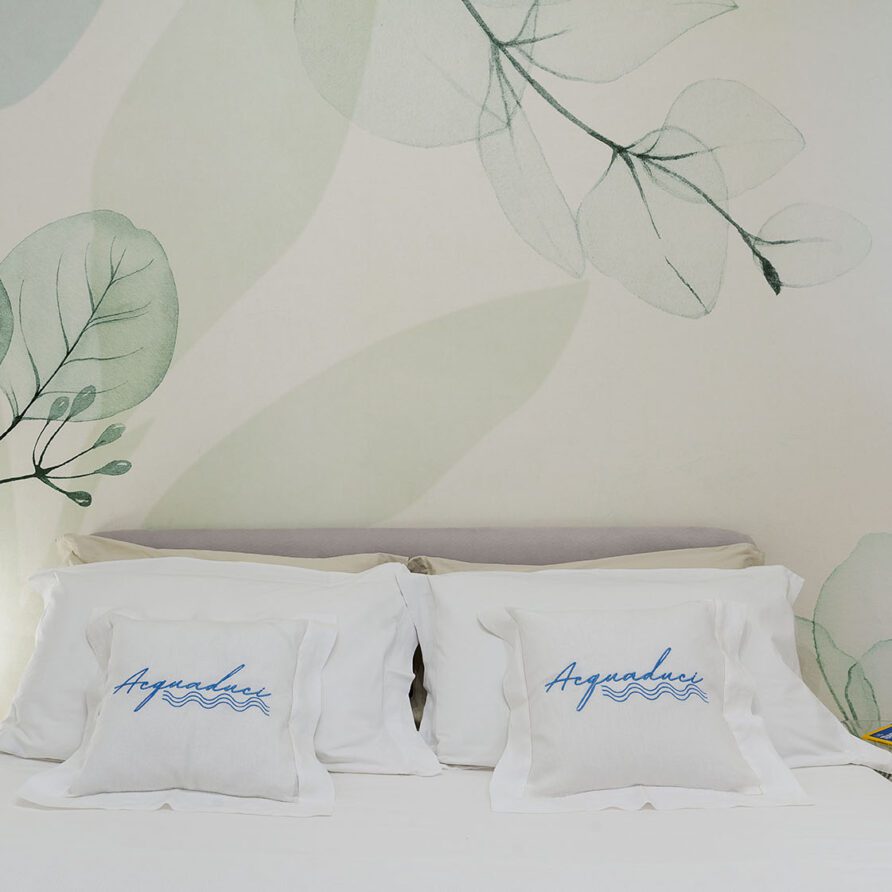
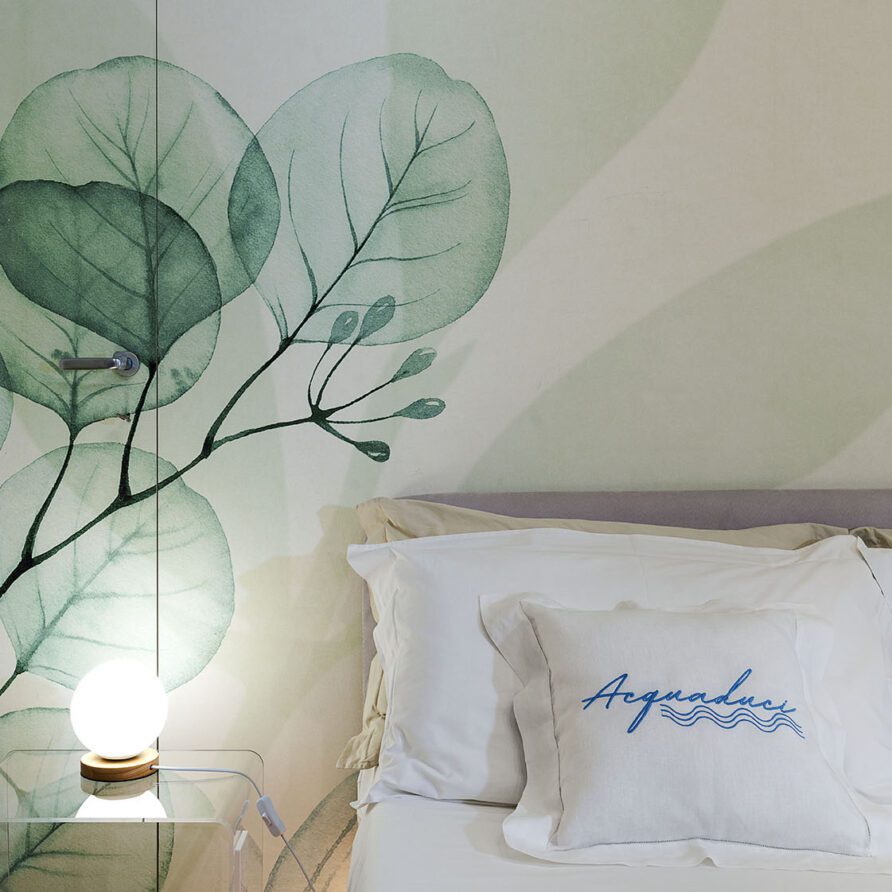
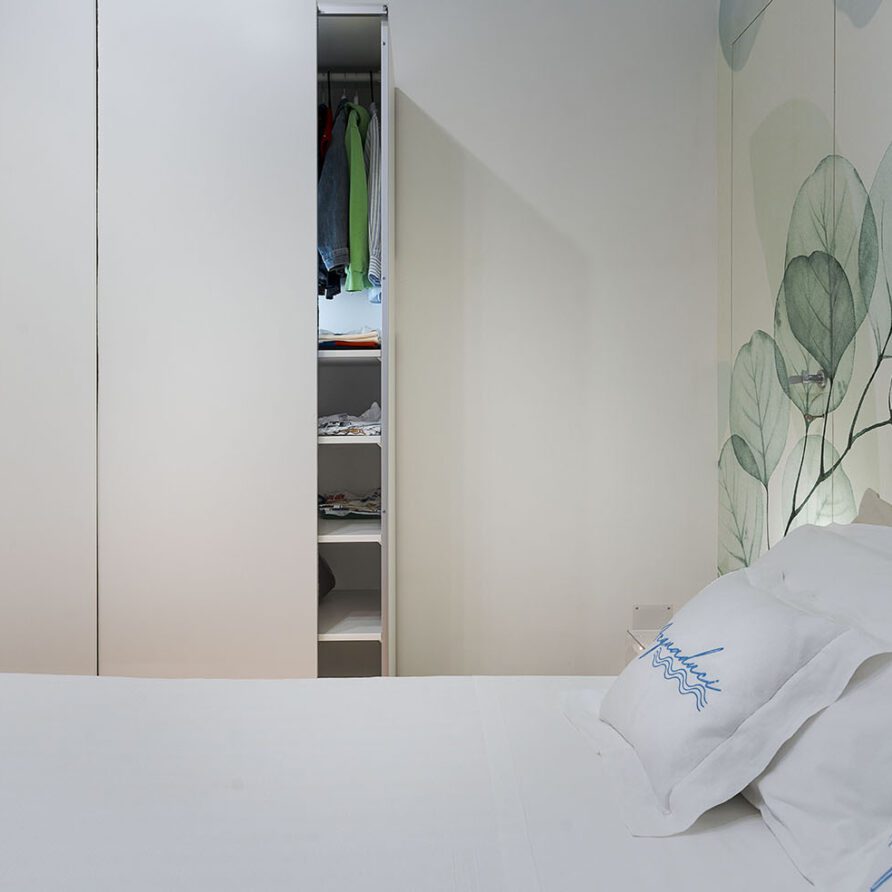
Acquaduci Plus – Seafront apartment in Pozzallo
- Guests: 4
- Size: 80m²
- View: Private terrace with sea view (150 sqm)
- Bed Type: king size bed + double bed
- Categories: rooms
- Amenities: Air Conditioning, Bathroom Essentials, Bedroom Comforts, Car Parking, Flatscreen TV, Heating, WiFi
Price €169.10 per night
🏘️ Ragusa Ibla: Your Holiday rental Sicily Base for Baroque Wonders
For travellers searching specifically for a Ragusa Ibla Holiday rental Sicily, Acquaduci is the strategic choice that guarantees peace and convenience.
Our superior beachfront apartments in Pozzallo are located within easy reach of the impressive Ragusa Ibla, meaning you can spend your day immersed in its dramatic scenery and returning to a tranquil, modern home by the sea.
Choosing Acquaduci allows you to enjoy the best of both worlds: the rich cultural immersion of the Baroque Valley and the relaxing luxury of a seafront property.
Our spacious accommodations, coupled with easy driving access to all key UNESCO sites, make us the preferred destination for guests wishing to explore this remarkable corner of Sicily.